Category: Soil Health
-
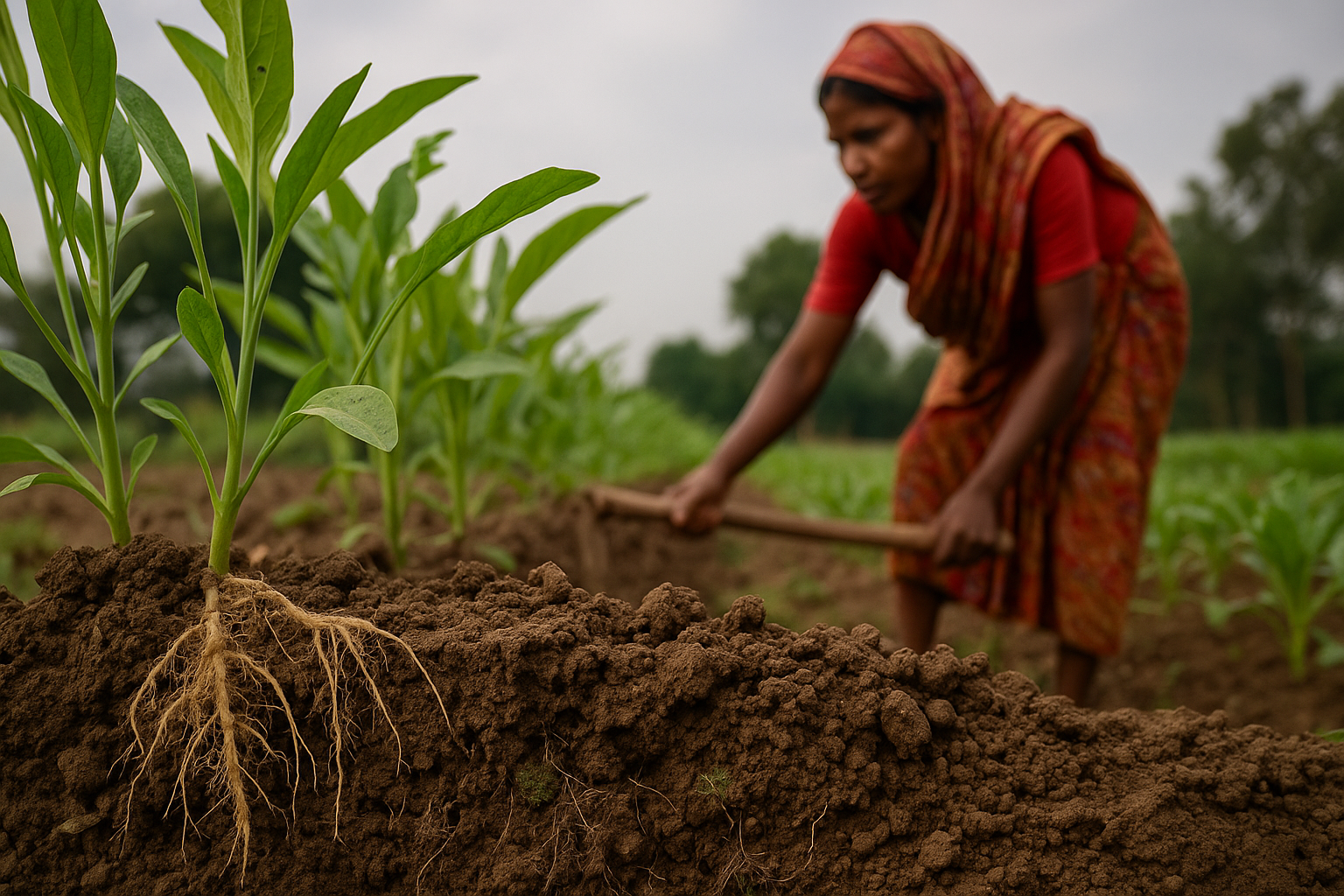
Soil-Transmitted Infections in NW Bangladesh: Women Farmers
Overview of soil-transmitted helminth infections among women in Northwestern Bangladesh’s farming communities, with practical tips on soil health, sanitation, and safe farming.
-

Machine Learning for Soil Microbiome and Bio-Sustainability
Explores how ML reveals soil microbiome dynamics and supports bio-sustainable farming practices.
-
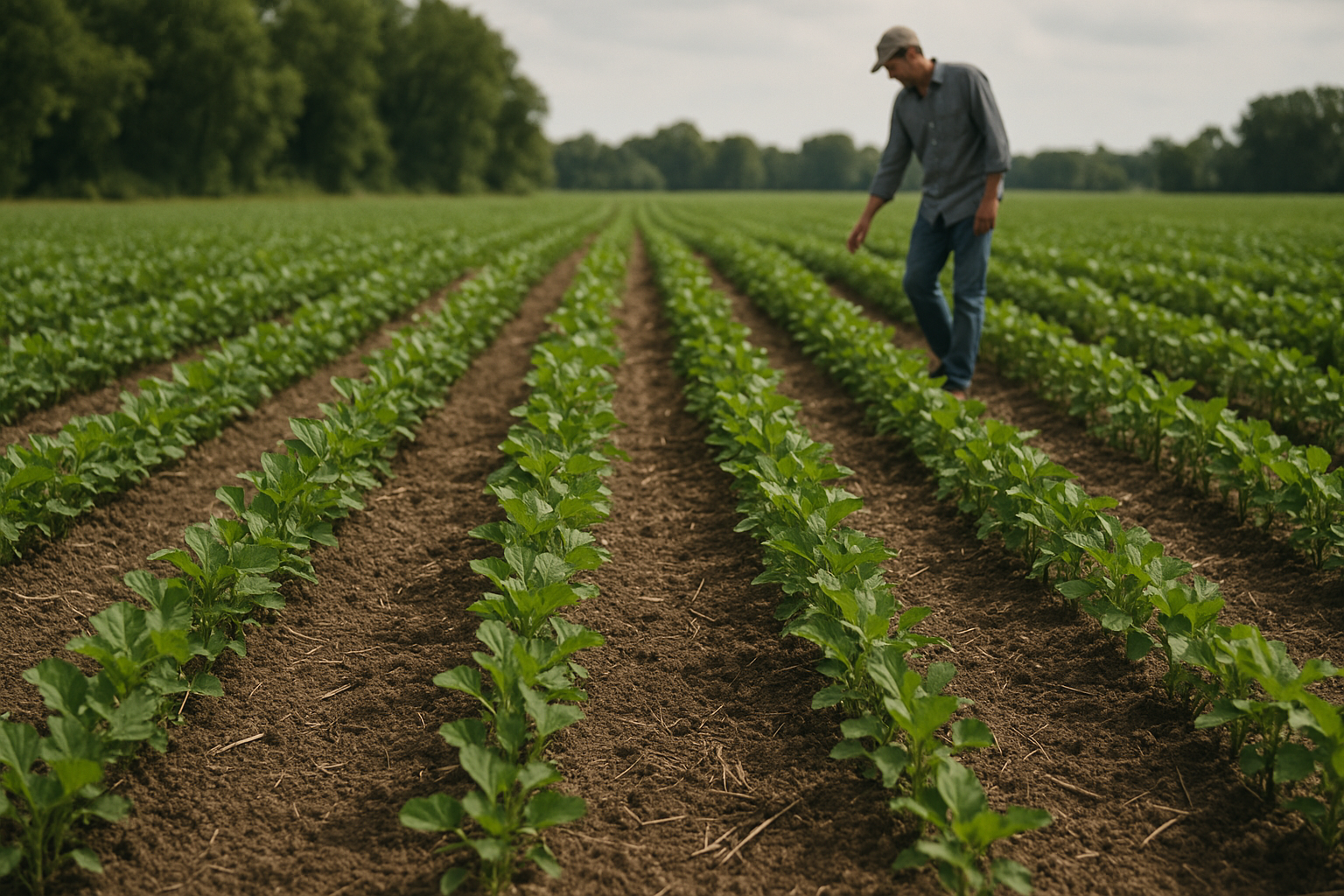
Soil Legacy and Antibiotic Resistance in the Soil-Plant Continuum
Explore how soil legacy promotes antibiotic resistance genes spreading to the soil-plant continuum and practical farming strategies to mitigate risks.
-
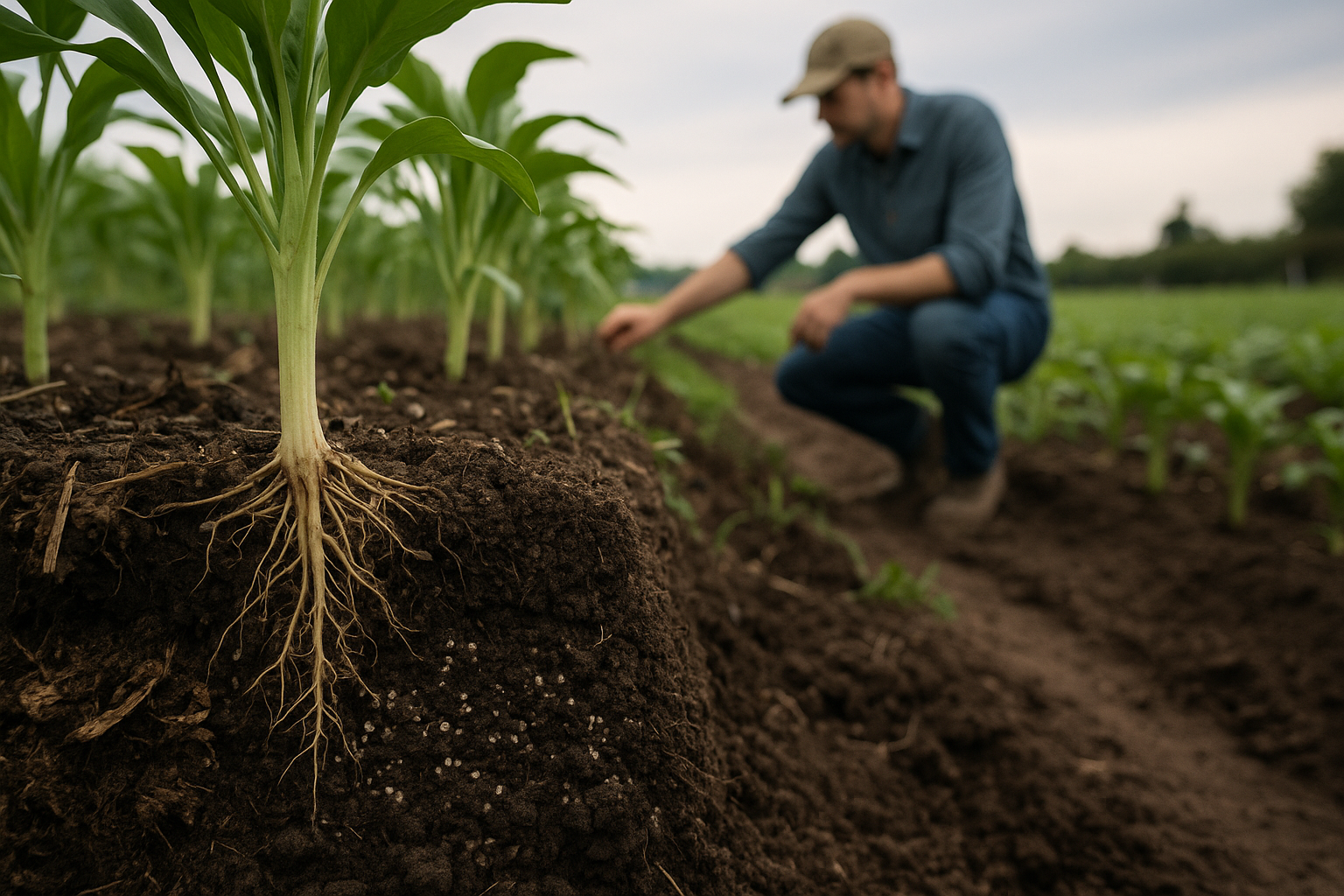
From Farm to Microbe: Organic Amendments & Soil Microbiome
Learn how organic amendments and soil texture shape the soil microbiome, with practical insights for healthier soils and sustainable farming.
-
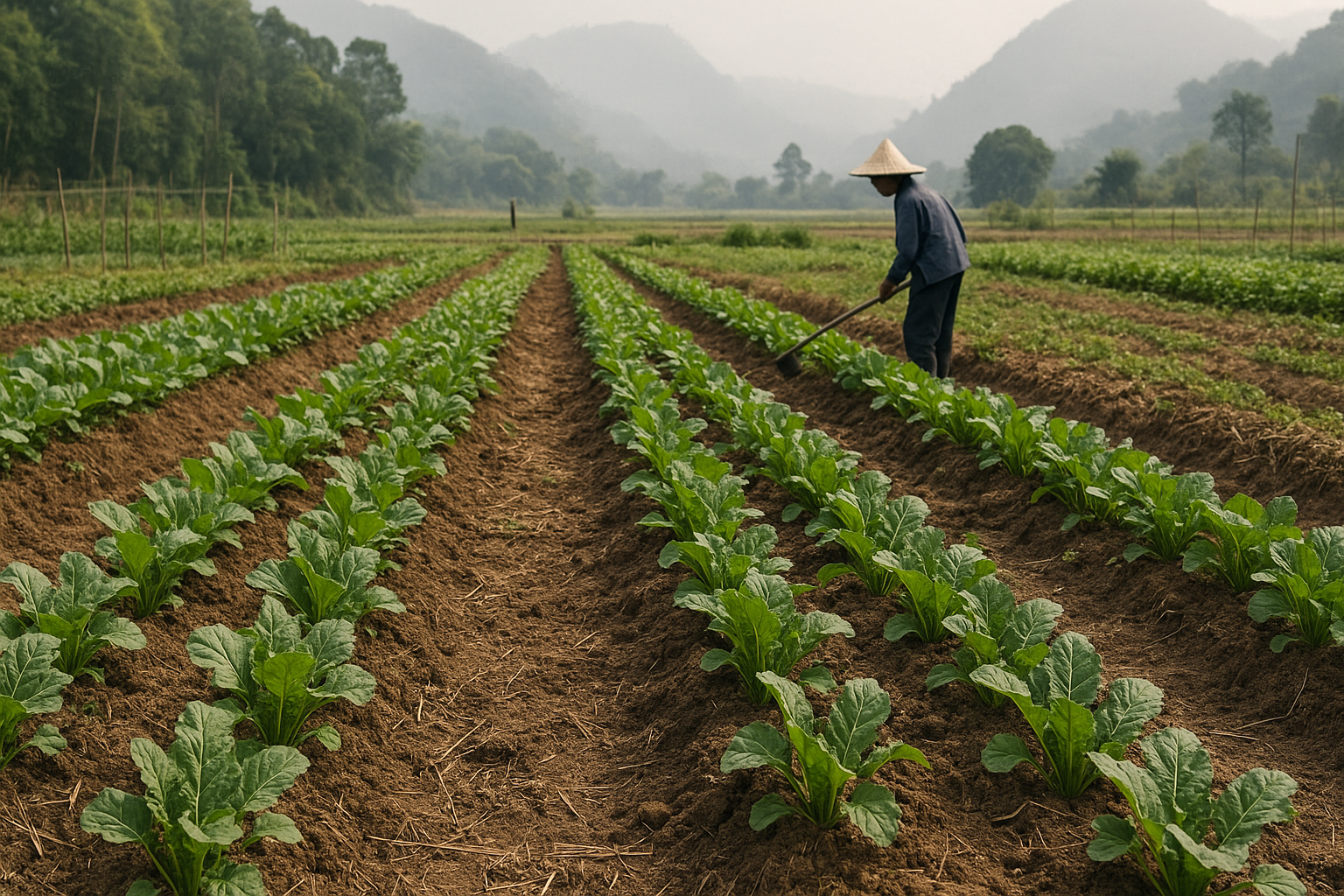
Trace Elements and Fluoride in Soils: Land Use in S. China
Explore how land uses shape trace elements and fluoride pollution and overall soil quality in southern China’s hills, with farming implications.
-
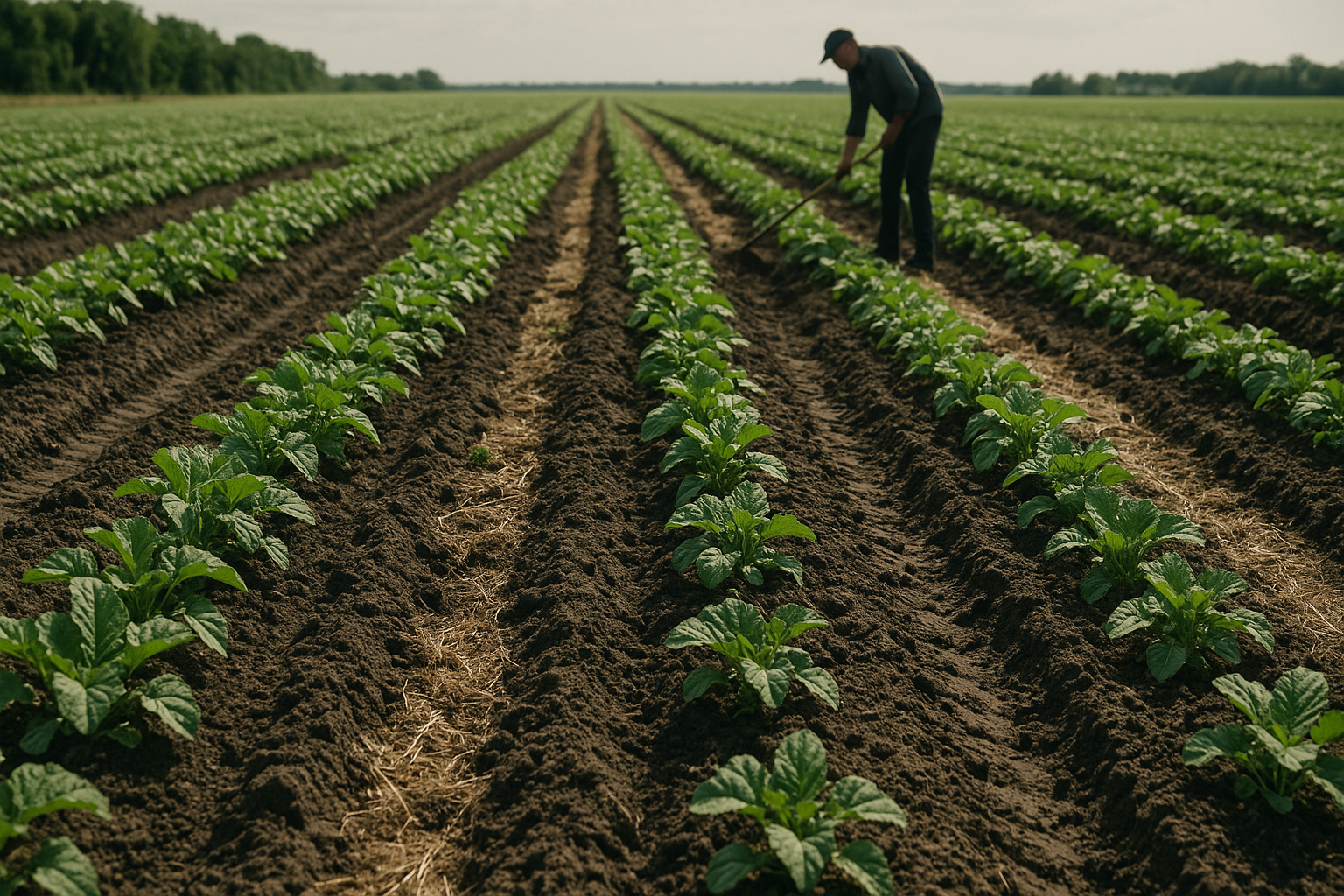
Deep ploughing and organics boost albic soil enzymes
Here’s how deep tillage and organic amendments influence extracellular enzyme activities and C:N:P balance in albic soils, with practical tips for farmers.
-
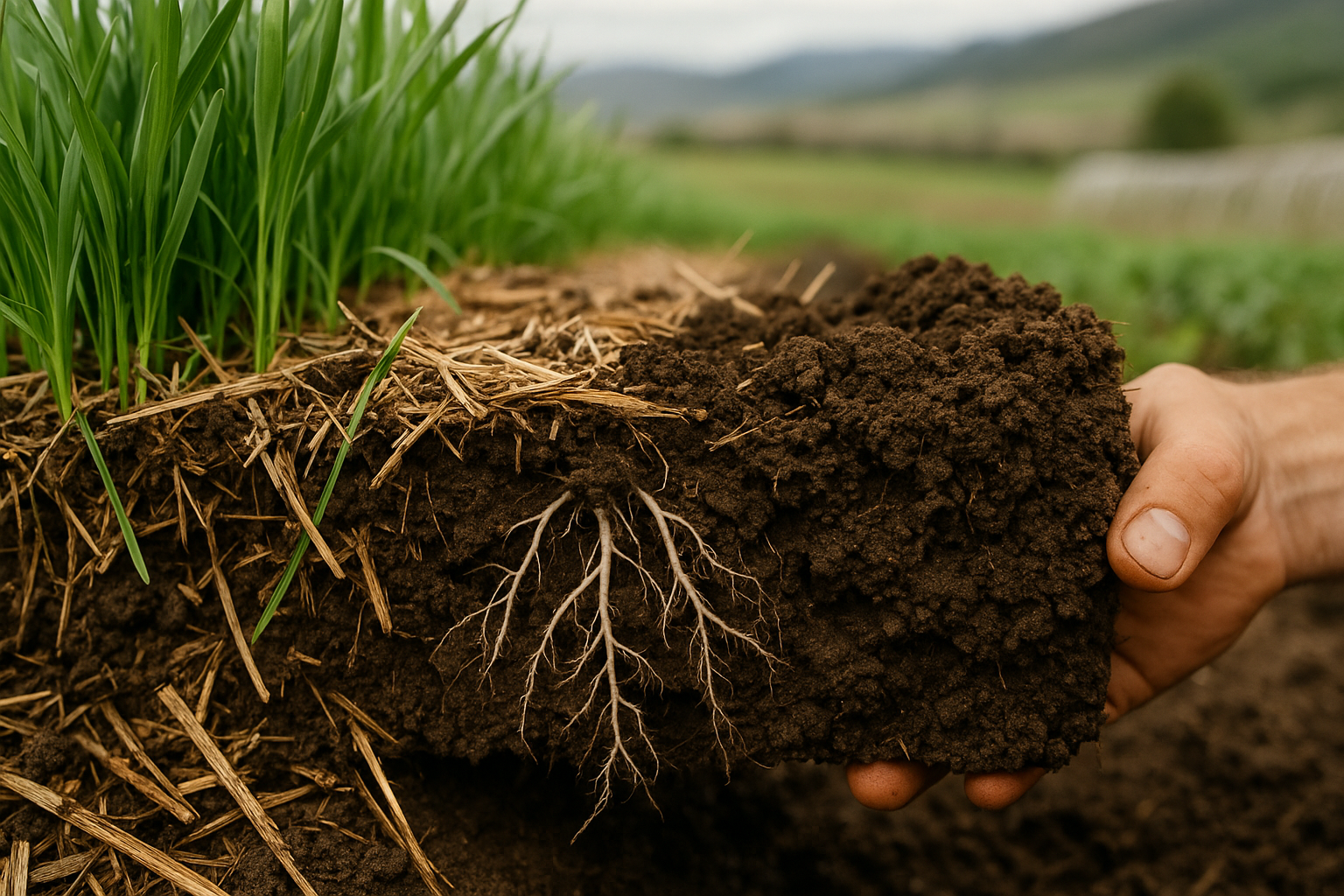
Plant-Soil Links Diminish Under Climate Change (Subalpine)
Discover how stronger climate signals weaken plant-soil relationships in subalpine grasslands and what this means for soil health, biodiversity, and adaptive farming.
-
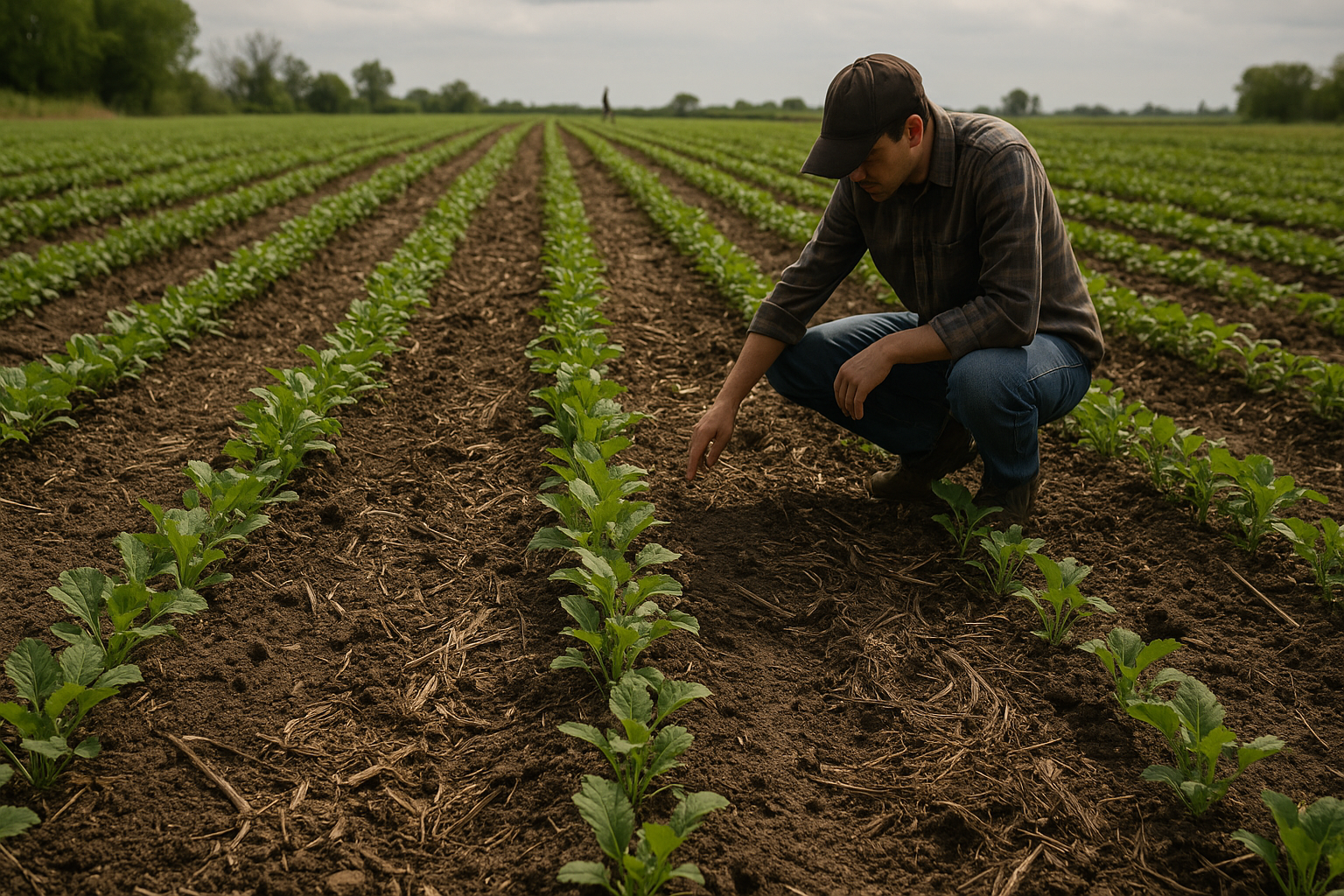
New Organic Matter Decomposition as a Soil Health Indicator
Explore a field-friendly decomposition test for organic matter as a soil health indicator. Learn how microbial activity and carbon turnover inform sustainable farming decisions.
-

Iowa’s Soil Crisis: A Call for Sustainable Farming Practices
Iowa’s Vital Soil Under Threat Iowa’s valuable, nutrient-rich soil is facing a decline, a troubling trend highlighted by new studies. As one of the state’s most precious resources, this soil forms the cornerstone of Iowa’s economy. Research, including recent models, now shows that factors like tillage and a constant cycle of nutrient-intensive crops like corn…
-
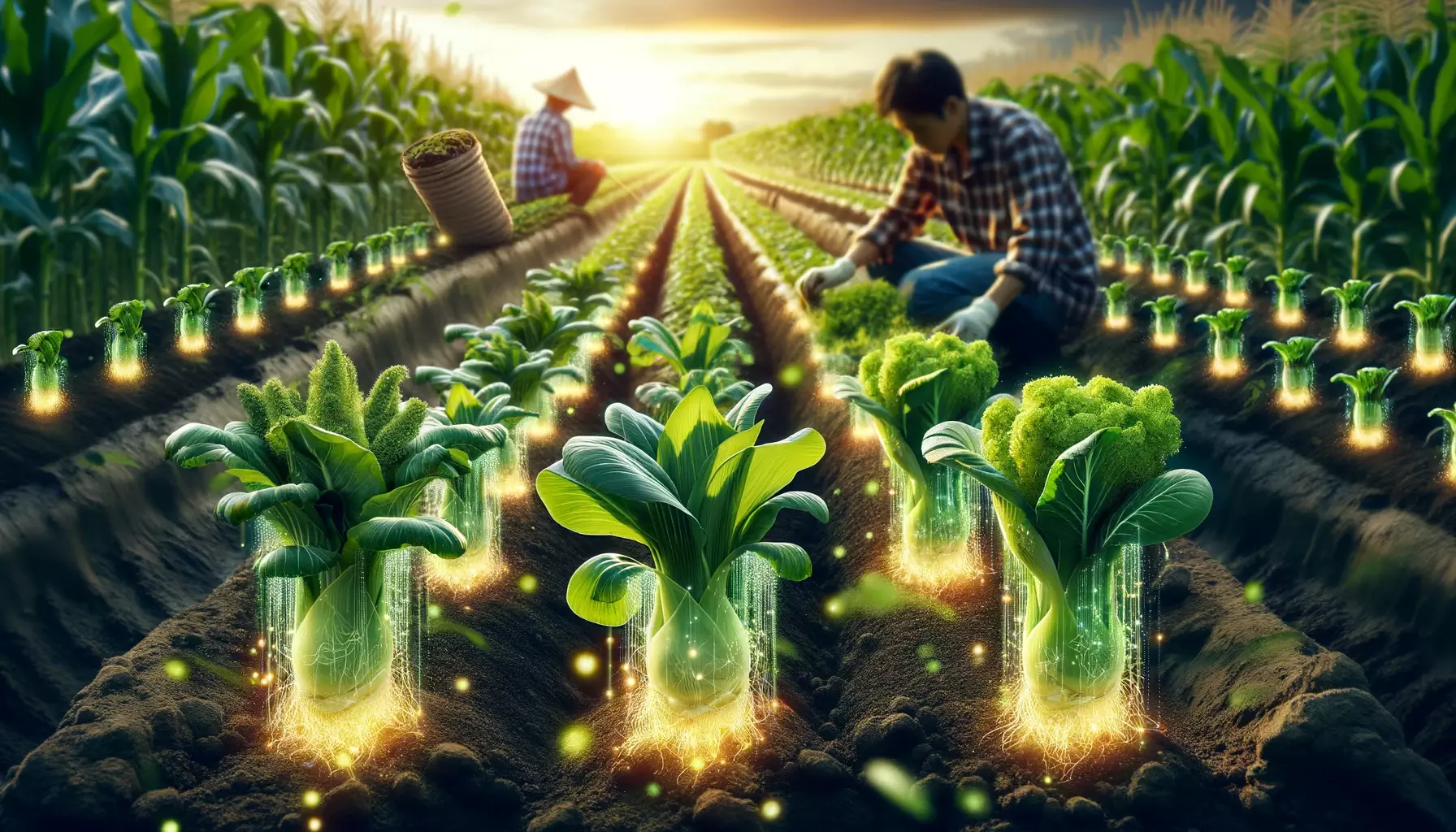
Innovative Microbial Fertilizers: A Sustainable Alternative to Chemicals
Introduction: Reducing Chemical Fertilizers with Microbes Chemical fertilizers, while essential for modern agriculture, contribute significantly to global greenhouse gas emissions. Researchers at MIT are exploring sustainable alternatives to these fertilizers by harnessing the power of bacteria. The Potential of Nitrogen-Fixing Bacteria Nitrogen-fixing bacteria have the capability to convert nitrogen gas into ammonia, providing essential nutrients…