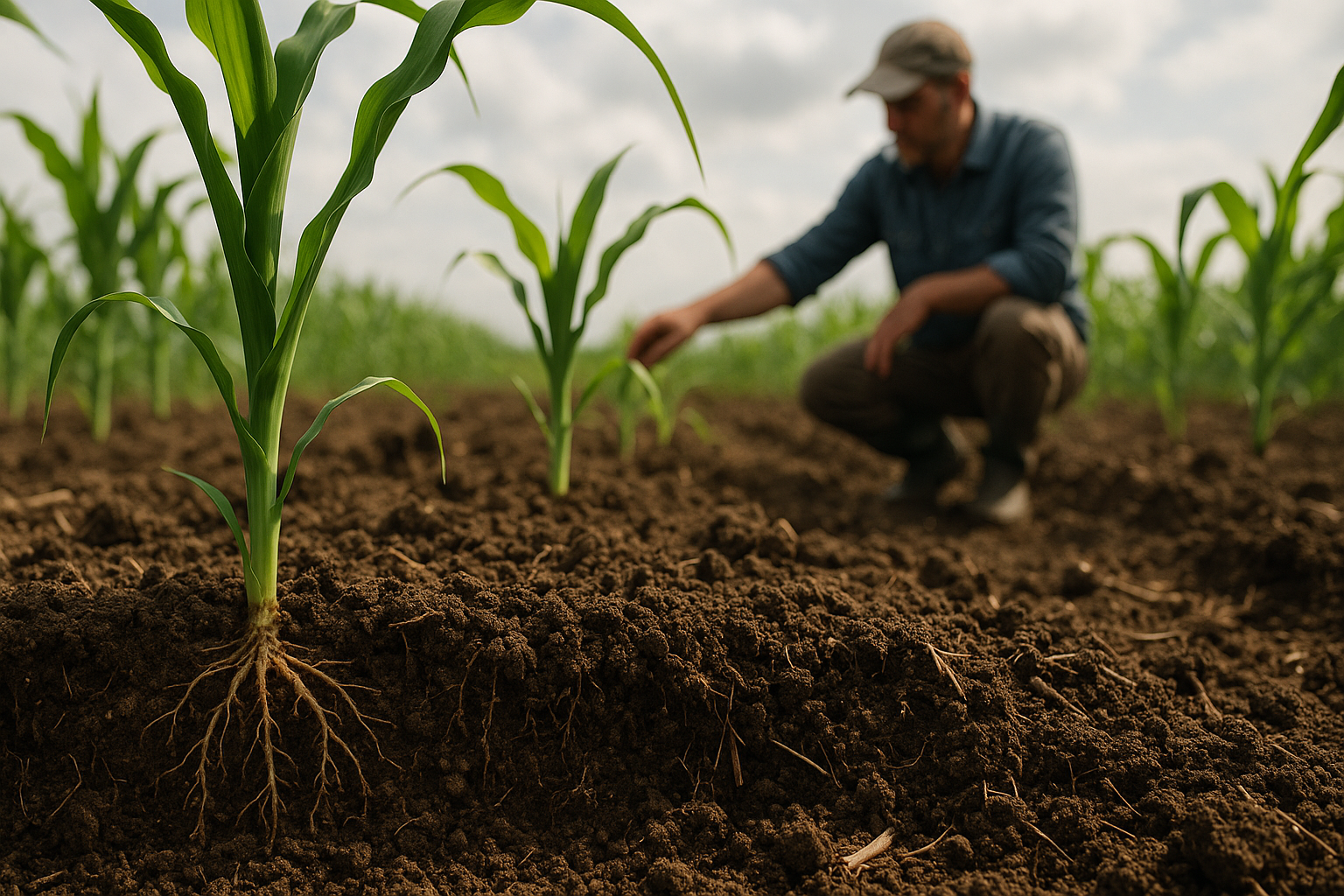
Nanofertilizers leverage nanoscale carriers to optimize nutrient delivery to crops, enabling higher uptake with less environmental loss. This approach shines in a world seeking higher yields with lower inputs.
As farming pivots toward resource-efficient practices, nano-enabled fertilizers promise more precise nutrition, reduced waste, and potential improvements in soil and water quality. This article explains how they work and what to expect in the field.
Understanding nanofertilizers: what they are and how they work
Nanofertilizers are nutrient formulations engineered at the nano scale. They often use carriers such as nanoparticles or nano-encapsulated compounds to protect nutrients and control when and where they are released.
By tuning release rates and targeting uptake pathways, these formulations can improve nutrient solubility, stability, and root or foliar absorption, delivering nutrients in sync with plant demand.
Nanoscale delivery systems
Designs vary from nano-coated nutrients to nano-emulsions and biodegradable carriers. Releasing the nutrient in response to soil moisture, pH changes, or root signals helps minimize losses and boost efficiency.
Benefits for crop nutrition and resource efficiency
In controlled studies and early field trials, nanofertilizers have shown potential to raise nutrient use efficiency, meaning crops harvest more value from each unit of nutrient applied.
That efficiency can translate into stronger growth, improved photosynthesis, and more resilient yield under variable conditions, while reducing leaching, volatilization, and runoff.
Environmental and safety considerations
As with any new technology, there are questions about the environmental fate of nanoscale nutrients, interactions with soil microbiota, and long-term safety for ecosystems.
Researchers advocate thorough risk assessment, standardized production, and clear labeling to support safe, responsible use by farmers and planners.
Regulatory and risk assessment
Regulatory approaches are evolving to address nanoparticle behavior, exposure pathways, and product claims. Practical guidance emphasizes field-scale validation and adherence to local regulatory frameworks.
Adoption in farming and future outlook
Adoption depends on cost, scalability, compatibility with existing fertilizer programs, and demonstrated field performance across crops and soils.
Advances in precision agriculture, real-time sensing, and data-driven management could enable tailored nanofertilizer strategies that align with crop stage and soil health, boosting resilience and sustainability.
For farmers and field teams, a cautious, evidence-based approach—start with pilot trials, track outcomes, and engage with agritech partners to navigate the evolving landscape of nanofertilizers.