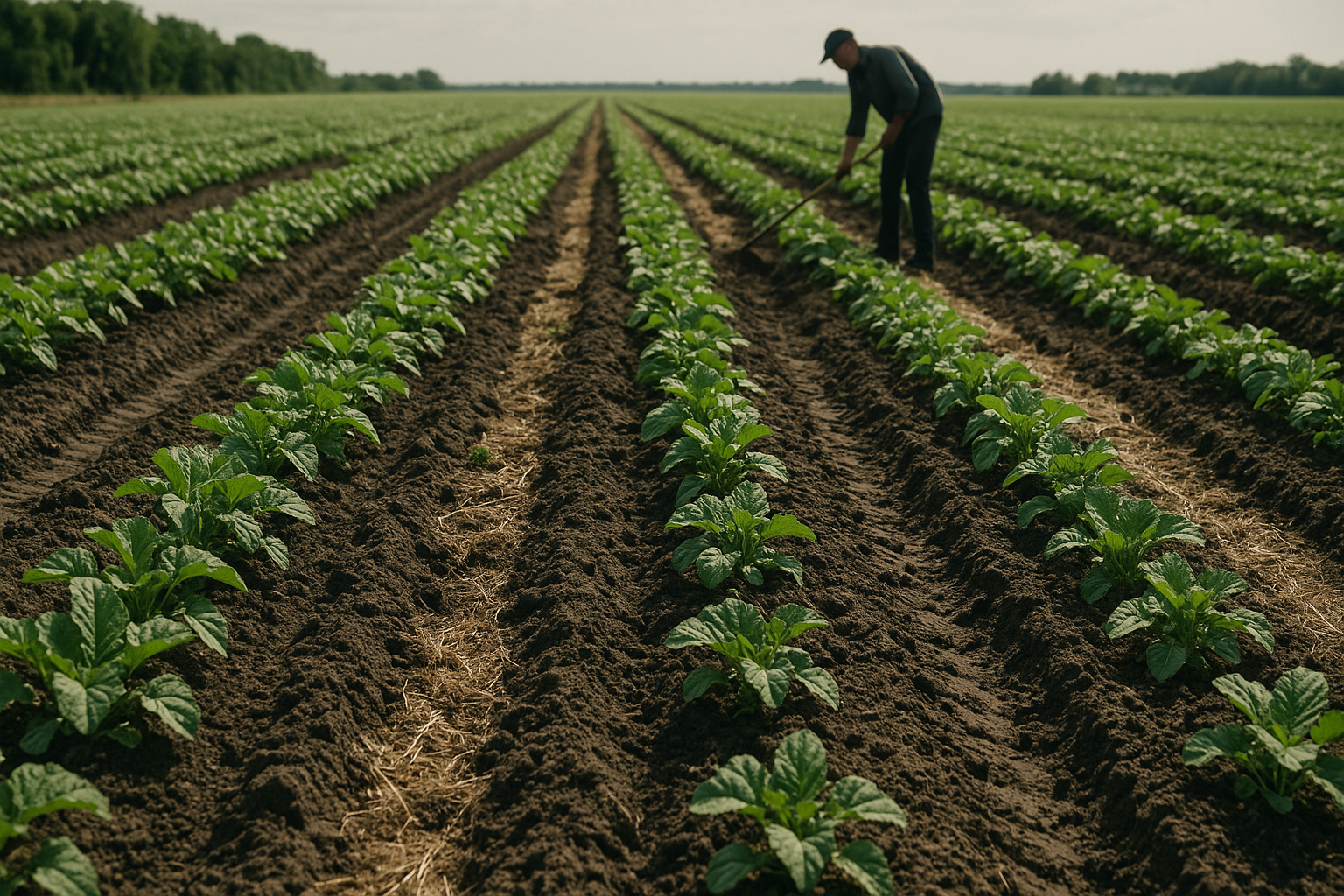
Soil enzyme activities are key indicators of soil health and nutrient cycling. In albic soils, which form under specific climate and soil horizons, microbial processes can be limited by structure and organic matter availability. This article translates insights from research into practical takeaways for farmers, focusing on how deep ploughing and organic material incorporation influence enzyme-driven nutrient release and stoichiometry in albic fields.
By increasing substrate supply and mixing organic residues deeper into the profile, tillage and amendments can modify the balance of carbon, nitrogen, and phosphorus, shaping how microbes decompose matter and mobilize nutrients for crops. Here’s what you need to know to apply these ideas on the field.
Understanding albic soils and the role of soil enzymes
Albic soils exhibit pale horizons with leaching tendencies that can reduce fertility. Microbial enzymes such as phosphatases and cellulases are produced to break down complex organic matter, releasing nutrients in forms plants can absorb. The rate of enzyme activity reflects the soil’s food supply, moisture, and temperature, and it helps explain why organic matter additions often boost nutrient availability over time.
Enzyme activities are part of a broader stoichiometric story: microbes allocate resources to balance elements like carbon, nitrogen, and phosphorus. When you adjust carbon inputs with organic materials, you influence these C:N:P ratios, potentially accelerating mineralization and improving nutrient use efficiency for crops.
Deep ploughing and organic matter: impacts on enzymes and stoichiometry
Deep ploughing mixes surface residues with deeper soil layers, increasing contact between microbes and newer carbon sources. When organic materials are incorporated, extracellular enzymes are stimulated to depolymerize organic compounds and release nutrients. This can boost enzyme activities across a range of targets, from carbon-degrading enzymes to those releasing phosphorus and other nutrients.
The result is a shift in the C:N:P balance in the soil system. With more organic carbon available, microbial communities may adjust their enzyme production to optimize nutrient release and uptake by plants. The deeper placement of organic matter can also help stabilize soil structure and water retention, contributing to more resilient nutrient cycling in albic horizons.
Choosing organic amendments
Select mature, stabilized organic matter (compost, well-rotted manure, or residue-rich crops) to minimize immobilization spikes and maximize beneficial enzyme responses. Avoid fresh residues that may temporarily tie up nitrogen or create bulky residues that slow as they decompose.
Ploughing depth and timing
Consider depth targets that gently incorporate materials beyond the topsoil without disrupting subsoil structure. Align tillage with crop cycles and moisture conditions to sustain enzyme activity and prevent compaction that would hamper microbial processes.
Practical takeaways for albic soil management
For farmers working with albic soils, the combination of deep incorporation of organic matter and careful tillage can enhance soil enzyme activity, improve nutrient release, and support steadier yields. Start with a soil test to gauge baseline C:N:P ratios and monitor changes after amendments and deeper tillage.
Adopting these practices requires balancing immediate crop needs with long-term soil health. When applied thoughtfully, deep incorporation of organic materials can be a valuable tool in the broader goal of sustainable farming in albic regions.
If you work in farming, consider experimenting with small plots to observe how deep organic incorporation affects your soils over a season and share results with your local extension service.