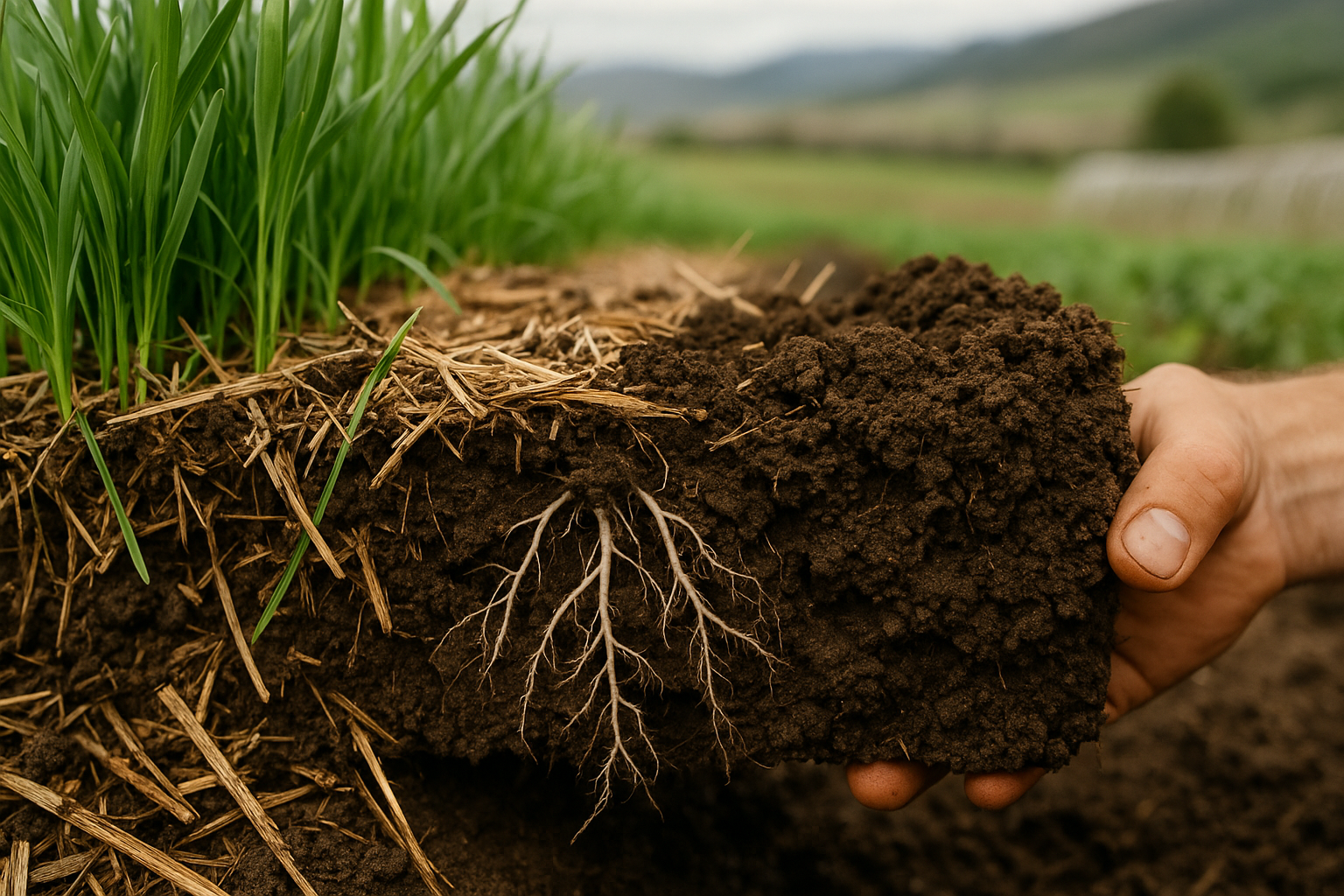
Subalpine grasslands are biodiversity hotspots that also function as important forage systems, supporting wildlife and local livelihoods. The strength of these systems rests on plant-soil relationships—how roots, soil microbes, and organic matter exchange nutrients, water, and signals.
As climate change accelerates, these belowground ties face new stresses. Emerging findings suggest that when climate change is strong, plant-soil interactions weaken, with implications for productivity, soil carbon, and resilience. This article translates those ideas into practical takeaways for pasture and grassland managers working in changing climates.
Understanding plant–soil relationships under climate change in subalpine grasslands
Plant-soil relationships describe the exchanges between plant roots and the surrounding soil life. Mycorrhizal fungi, bacteria, and soil fauna help unlock nutrients, improve soil structure, and stabilize carbon in the root zone. In subalpine grasslands, these partnerships underpin forage quality and several ecosystem services, including water retention and soil carbon storage.
Under moderate climate change, plants and soil organisms may adjust and maintain these feedbacks. But under more intense warming and increased variability, belowground networks often weaken, leading to slower nutrient turnover and reduced microbial activity. This can translate into shifts in community composition and, ultimately, lower productivity and resilience.
Drivers and mechanisms weakening belowground networks under strong climate scenarios
Key climate stressors—erratic precipitation, longer dry spells, higher soil temperatures, and altered snow regimes—change soil moisture, aeration, and heat exposure. Such shifts disrupt the habitat of soil microbes and the timing of nutrient release, weakening plant–microbe partnerships.
As relationships falter, plants may rely more on their own root systems, while mycorrhizal networks contract. The result is slower nutrient cycling, reduced root exudation, and shifts in plant communities toward species less able to sustain rich soil life.
Key processes
Changes in microbial community composition, declines in symbiotic associations, altered enzyme activities, and changes in soil structure contribute to a weakened plant–soil coupling when climate stress is high.
Practical implications for management and biodiversity in alpine grasslands
For land managers, maintaining soil health becomes a frontline strategy. Practices that protect soil moisture, reduce disturbance, and foster diverse root systems help sustain belowground networks even when climate signals are strong.
Restoration and grazing plans that prioritize soil organic matter, cover crops, and a mix of grasses and forbs can support robust microbial life and improve resilience to drought and temperature swings.
Monitoring soil moisture, organic matter, and microbial indicators can guide adaptive decisions that balance forage production with long-term ecosystem health.
If you work in agriculture, consider how soil health–focused practices—diverse forage mixes, minimal soil disturbance, and measures to conserve soil moisture—can help your systems weather climate shifts.