Farm workers face unique mental health challenges, often with limited access to prolonged therapy. Digital health tools can bridge that gap by delivering personalized care at scale. One emerging approach combines sleep optimization, cognitive reframing, and plant-based formulations to support mood, sleep, and digestion.
Here, we explore NeuroPal, a multimodal LLM-assisted system designed to provide scalable, evidence-informed interventions and its potential relevance to farming communities and rural health contexts.
What NeuroPal does: three modules
Module 1 – Sleep Chronotherapy Planner: it tailors circadian rhythm correction protocols to individual schedules, helping users align sleep timing with daily routines, work shifts, and recovery needs.
Module 2 – Cognitive-Behavioral Reframing Engine: grounded in CBT and humanistic principles, it supports reframing negative thinking patterns to promote resilience and more adaptive explanations of events.
Module 3 – Biochemical Regulation Advisor: offers phytotherapy formulations aimed at balancing sleep, metabolism, and gut function, drawing on plant-derived compounds with supporting evidence for circadian and digestive modulation.
Clinical evidence and outcomes
In a large randomized protocol involving participants with mood and anxiety concerns, the multimodal approach achieved statistically meaningful improvements on primary outcomes, indicating the tool can augment traditional care even in settings with limited therapist time.
Key indicators included a notable improvement in sleep quality, a rise in positive affective language usage, and better digestive comfort. Adherence to the program was high, reaching nearly 90%, outperforming comparator approaches in matched analyses.
Implications for farming communities and rural health
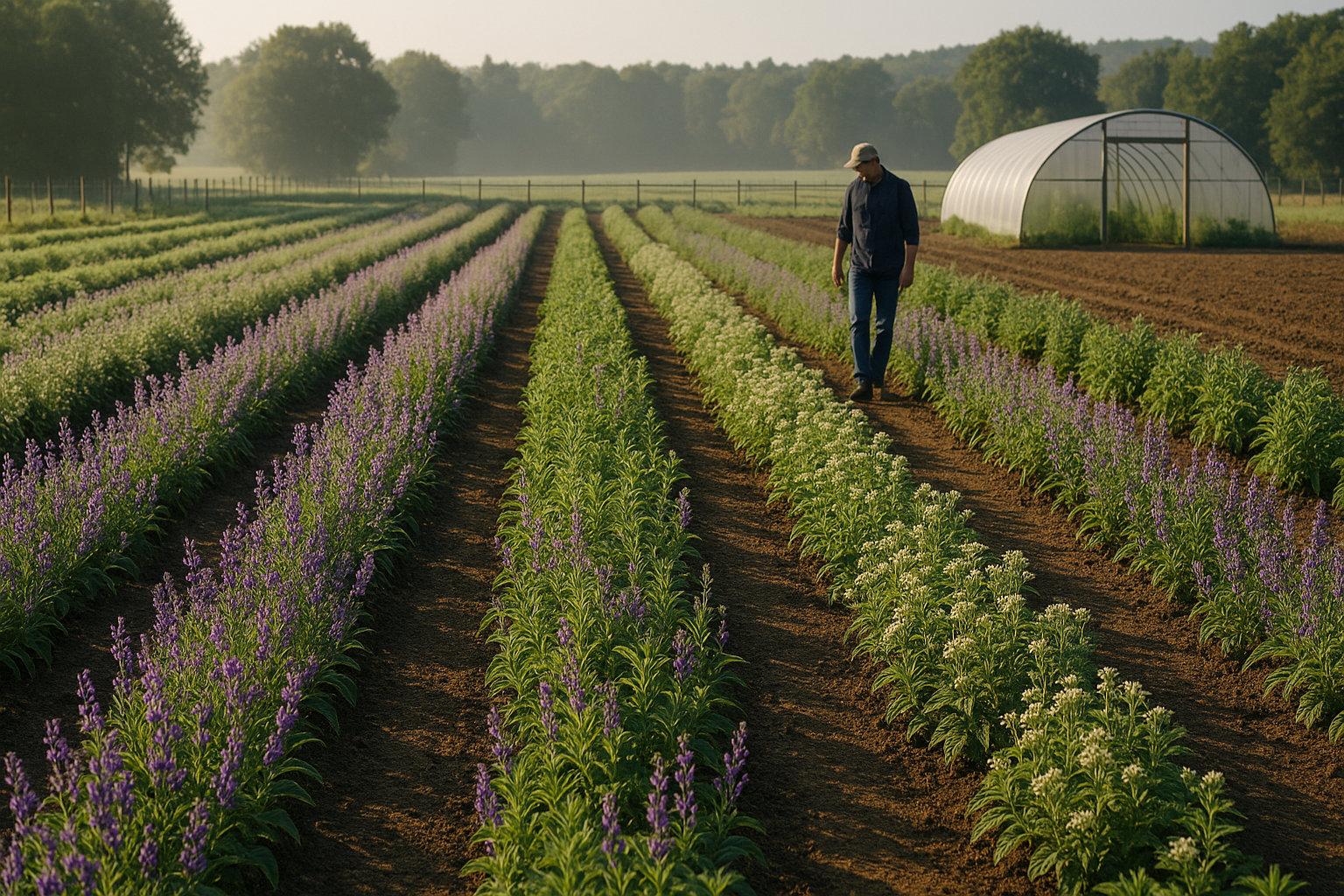
For farming populations, scalable digital mental health supports can supplement scarce therapists, reach remote areas, and fit with irregular work schedules common on farms. The phytotherapy component aligns with crop-derived resources and regional plant knowledge, offering a pathway to plant-based wellness strategies that can be locally sourced and culturally appropriate. As with any phytochemical guidance, safety, dosing, and local regulatory considerations matter, especially in communities relying on traditional remedies.
Beyond individual wellbeing, such tools can contribute to healthier work environments, improved sleep patterns, and better digestion for agricultural workers, potentially reducing lost work time and enhancing overall farm productivity.
Deployment considerations for farming communities
Implementing a tool like NeuroPal in rural settings requires attention to infrastructure, training, and local health partnerships. Integration with existing health services, farm cooperatives, and mobile clinics can help reach workers who would otherwise face barriers to care. Local crops and phytochemicals can be aligned with available resources, ensuring relevance and sustainability.
Locally sourced phytochemicals and safety
When applying plant-based formulations, clear safety profiles, possible interactions, and appropriate dosing guidelines should be established with healthcare providers and, where possible, validated against locally grown botanicals. Community education and ongoing monitoring can support safe, effective use in agricultural settings.
As this field evolves, ongoing research and real-world assessments will clarify how digital therapies, circadian planning, and plant-based interventions can be tailored to farming contexts while protecting patient safety and well-being.
If you work in agriculture, consider exploring mental health resources that blend digital support with plant-based wellness ideas and sleep-friendly routines. Talk to your farm cooperative or rural health clinic about adopting scalable tools that fit the rhythms and needs of your community.