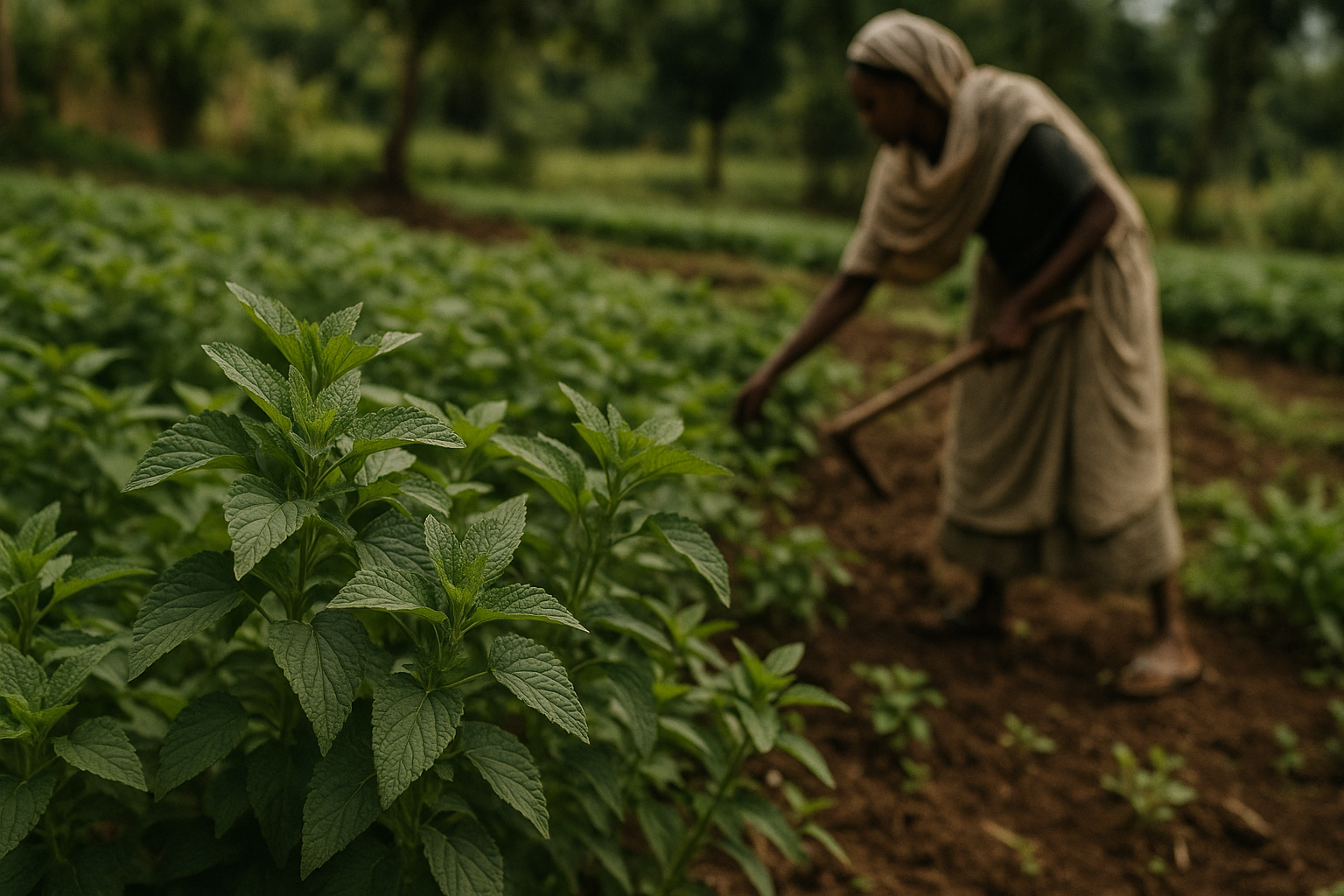
In many rural farming regions, maternal health hinges on daily work, access to care, and cultural practices. A study from Northwest Ethiopia highlights how pregnant people sometimes rely on both conventional medicines and herbal remedies without always consulting a clinician.
Below, we unpack what this means for farming communities, healthcare workers, and policymakers aiming to safeguard pregnancy outcomes while honoring local knowledge and livelihoods.
Understanding self-medication in pregnancy among farming populations
Self-medication means using medicines or herbs without professional guidance. In rural farming settings, barriers such as long distances to clinics, costs, and busy field schedules can push people toward self-care during pregnancy. This practice may offer relief for common symptoms, but it also carries risks, including potential interactions and effects on fetal development.
Herbal remedies are often sourced from local plants and traditional preparations. While some herbs may be helpful, others can be unsafe in pregnancy or interact with prescribed medicines. Clear, culturally sensitive guidance from healthcare providers can help communities balance tradition with evidence-based practice.
The mix: conventional medicines and herbal remedies
Conventional medicines used during pregnancy may include essential nutrients and symptom-relief drugs, but access varies by location. Herbal remedies are common because they are affordable and familiar. However, safety profiles for many herbs in pregnancy are not well established, and some can interact with prescribed treatments. When possible, healthcare guidance should acknowledge local practices and help women weigh potential benefits and risks.
What factors shape self-medication decisions?
Several factors influence whether a pregnant person in a farming community will self-medicate. Education and awareness about pregnancy safety, attendance at antenatal care visits, and knowledge of medications matter. Distance to health facilities, income constraints, and the timing of farming tasks can limit clinic visits. Family advice and cultural beliefs about traditional remedies also play a strong role in how symptoms are managed during pregnancy.
Community-based strategies
Community health workers and farmer-friendly clinics can bridge gaps between traditional practices and modern care. Short counseling sessions, simple education materials, and respectful dialogue about herbal use help pregnant people make safer choices without disrupting livelihoods.
If you work in farming or rural communities, making pregnancy-focused health a shared priority is essential. Talk with a healthcare provider about any medicines or herbs you plan to use during pregnancy, plan antenatal checkups around busy field seasons, and share safe practices with fellow farmers to protect both mother and baby.