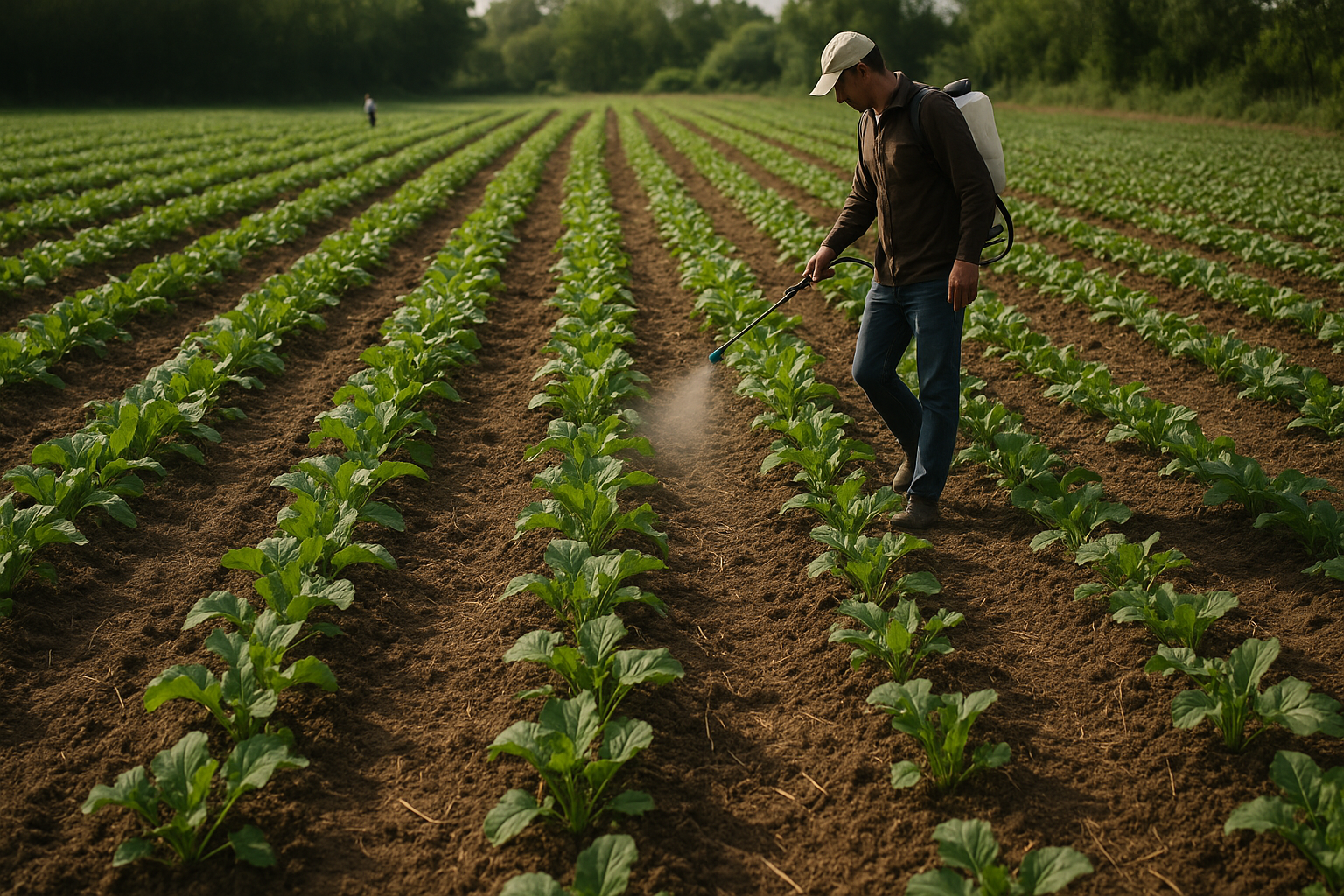
Pesticide use is widespread in modern agriculture to protect yields and quality. Yet chemicals’ journeys from fields to water, soil, and even people are complex. A One Health perspective helps connect environmental fate with the well‑being of ecosystems, farm workers, and consumers.
This article summarizes an integrated in-silico approach that maps how pesticides move, transform, and interact across environments, linking environmental fate to organism exposure and potential human health risks.
One Health and in-silico insights into pesticide fate
In-silico methods simulate how pesticides move through air, water, soil, and sediment, combining chemical properties, climate data, and landscape features to predict concentrations over time.
A One Health frame emphasizes the interconnectedness of ecosystems, non-target organisms, and human health, highlighting that protecting water and soil benefits food safety and community well-being.
In-silico tools and data integration
These tools compile chemical characteristics, lab bioassays, and field measurements to generate scenario-based risk estimates. They enable rapid testing of different farming practices and environmental conditions without extensive field trials.
From exposure to risk: linking organisms and human health
Model outputs estimate exposure levels for aquatic species (fish, invertebrates) and soil organisms, guiding assessments of both short-term and long-term effects on ecosystems.
Translating these exposures into human health considerations involves connecting residues and dietary intake pathways, water quality, and agricultural practices into a cohesive risk profile.
Interpreting results for real-world decisions
Scenario analyses help farmers and regulators compare safer formulations, timing, and application methods, reducing non-target exposure while maintaining crop protection.
Implications for farming practice and policy
For farmers, the approach informs safer pesticide selection, dose optimization, and timing to minimize unintended exposure in the field and downstream environments.
For policymakers and agribusiness, it offers a framework to evaluate safeguards, monitoring needs, and consumer protection, supporting sustainable decisions beyond costly field trials.
If you work in agriculture, consider how an integrated One Health, in-silico risk framework can support safer, more sustainable decisions that protect crops, ecosystems, and communities.