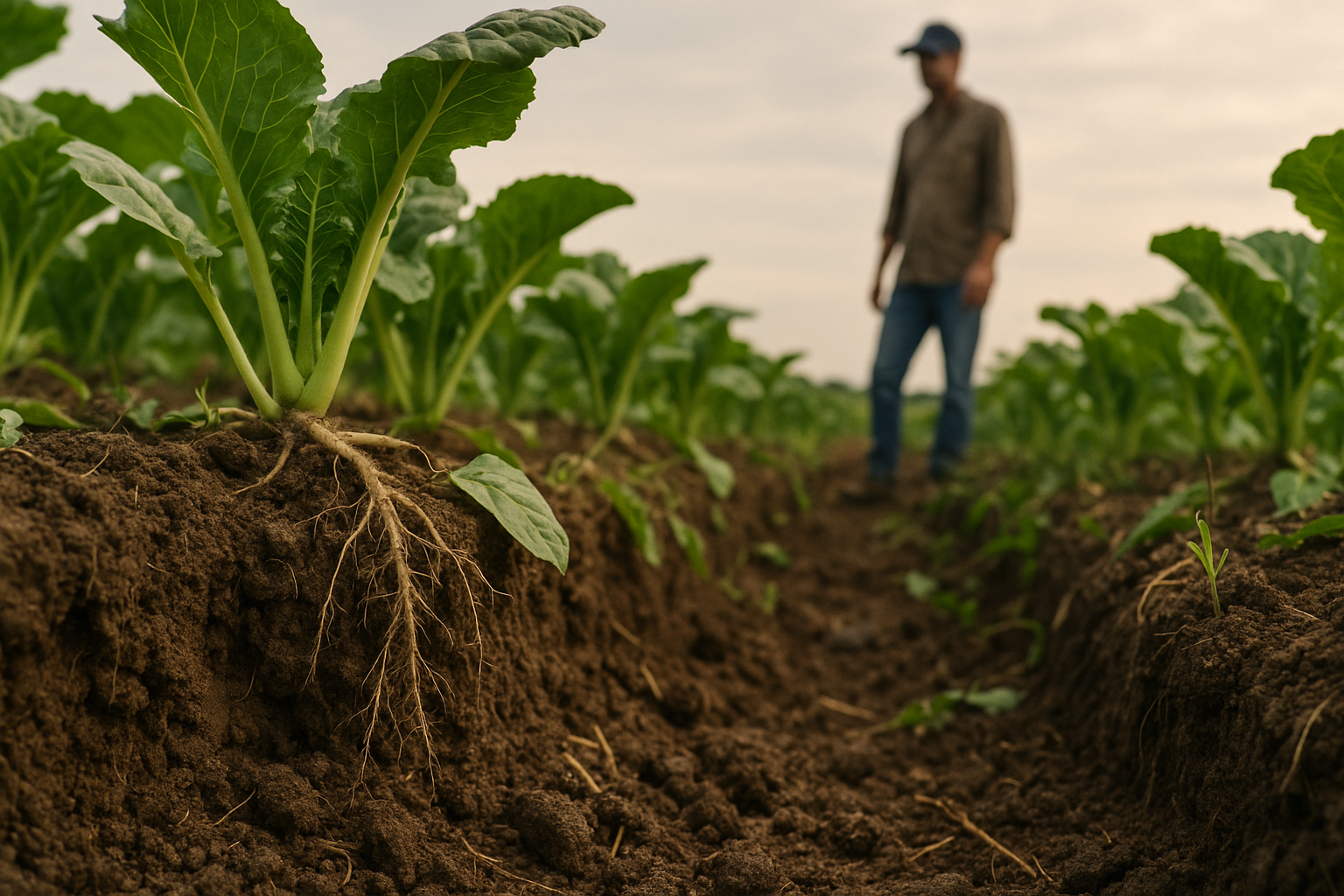
In many peri-urban regions of India, treated sewage water is increasingly used to support crop production. While this practice helps conserve scarce water, it can also introduce heavy metals into the farming system, affecting soil health, fodder safety, and livestock well-being.
New evidence from Central India tracks a contamination pathway through water, soil, fodder, and animals. The story matters for farmers, veterinarians, and consumers who rely on milk, meat, and crops produced in these zones.
Understanding the contamination pathway
Sewage-derived inputs bring trace metals into the field. Over years of irrigation, metals often bind to clay and organic matter in soils, potentially shifting nutrient balance and influencing what plants take up. Fodder crops — the feed plants meant for livestock — can accumulate metals in their edible parts, especially under sustained exposure.
When animals eat contaminated fodder or drink metal-laden water, metals can accumulate in tissues or pass into products such as milk and meat. The specific risk depends on the metal, dose, and the animal’s physiology, as well as the soil and crop context. This pathway creates a bridge between field conditions and public health concerns.
Common metals observed in sewage-affected inputs
Lead, cadmium, chromium, arsenic, and nickel are frequently noted in wastewater and soils influenced by sewage effluent. Levels vary with treatment quality and local practices, but long-term exposure can lead to meaningful accumulation.
Impacts on farm productivity and animal health
Soil contamination can affect crop growth and soil biology, sometimes reducing yield and altering nutrient availability. For livestock, chronic exposure may cause health issues and affect productivity. Metals can also appear in animal products, raising food-safety considerations for farmers and nearby communities.
Beyond individual farms, these dynamics matter for rural livelihoods, local markets, and consumer trust. Protective measures rely on better water management and regular screening of soils, fodder, and feed.
Managing risk: practical steps for farmers and communities
Start with water quality awareness: wherever feasible, use treated water or a mix with safer sources. Regular testing of soil and fodder helps catch rising metal levels early. Choose crops with lower metal uptake when grown near sewage inputs and optimize irrigation to minimize leaching.
Longer-term fixes include expanding sewage treatment, enforcing pollution controls, and aligning farm practices with public health goals. Community action and extension services can guide farmers toward safer routines without sacrificing productivity.
Field-level measures
Establish a routine for soil testing, create buffer zones near high-risk plots, and source certified feeds. Work with local extension services to tailor irrigation and cropping plans to local contamination levels.
For farmers and farm managers, the practical takeaway is clear: monitor irrigation water and fodder sources, adopt safer irrigation practices, and seek local guidance to minimize heavy-metal exposure along the water–soil–fodder–livestock chain. Small steps today protect animal health, food safety, and farm livelihoods.