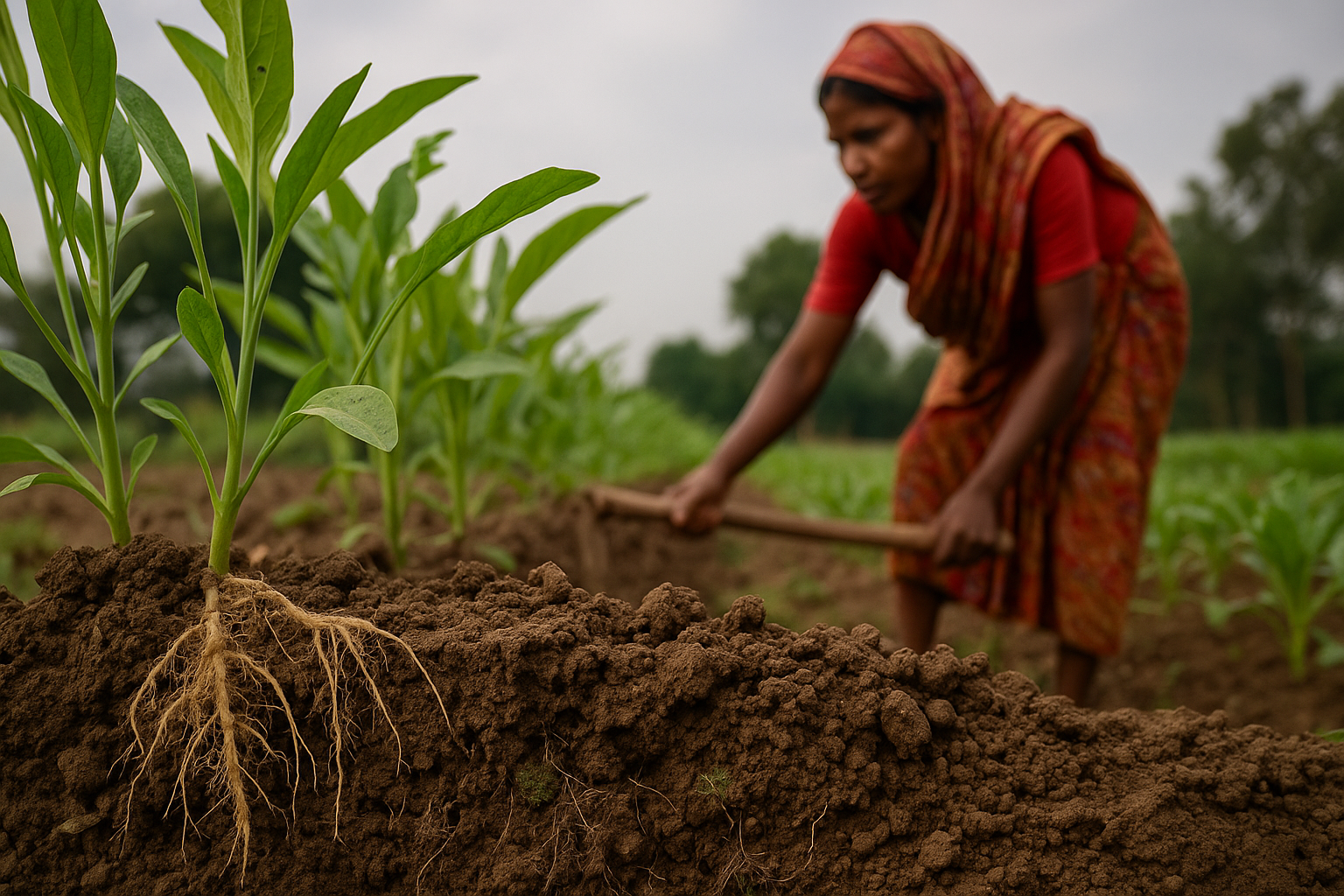
Soil-transmitted helminth infections are a health concern in many farming communities where soil contact and sanitation conditions intersect with daily work. This article uses the topic of a cross-sectional study in northwestern Bangladesh to highlight how health risks relate to farming routines and soil management.
By focusing on women in Bengali and Santal communities, we explore how household chores, fieldwork, and access to clean water influence exposure. The goal is to translate evidence into practical steps that farmers can adopt to protect health without sacrificing productivity.
Understanding the health context for soil-transmitted infections in farming communities
Soil-transmitted helminth infections involve parasites such as roundworms, hookworms, and whipworms that spread through soil contaminated with human waste. In warm, humid regions, these parasites can remain viable in the soil and enter the body through skin contact or ingestion, leading to fatigue, poor nutrient absorption, and reduced energy for work and farming tasks.
In farming households, health problems linked to these infections can lower sustained labor capacity and crop yields. Addressing sanitation and soil-handling practices is thus not only a health priority but also a way to support resilient farming systems in rural areas.
Risk factors in Northwestern Bangladesh
Limited access to clean water and sanitation, combined with ongoing soil exposure during fieldwork and manure handling, increases the chance of infection among community members. Open defecation or inadequate latrines can contaminate soils used for farming, amplifying transmission in households that rely on farming for livelihoods.
Women, who often manage domestic tasks beside field labor, may experience higher exposure due to routines that bring them into contact with soil, water sources, and waste. Cultural and infrastructural factors shape how easily preventive practices can be adopted in these settings.
Focus on Bengali and Santal households
Differences between Bengali and Santal communities in housing, water access, and daily routines can affect risk and prevention. Interventions that fit local norms—such as culturally appropriate sanitation solutions and community health education—can help reduce infection while supporting agricultural work.
Practical steps for farmers and communities
Improve access to safe water and sanitation by promoting latrine use and handwashing after soil contact or manure handling. Encourage wearing protective footwear in fields and during manure processing to limit skin exposure to parasite eggs and larvae. Implement safe manure management and composting practices to minimize soil contamination and safeguard crop health.
Pair health measures with agricultural training so farmers can protect health without sacrificing yields. Programs that integrate soil health, sanitation, and education help build resilient, productive farming communities.
Farmers and agricultural workers can lead by adopting practical WASH and soil-health practices in their daily routines, collaborate with local health services, and share success stories to inspire neighbor communities to stay healthy and productive in the field.