Bacterial vaginosis (BV) is a common condition affecting people globally, and there is rising interest in plant-based solutions alongside standard antibiotic therapies. Among the herbs with traditional antimicrobial reputations, oregano and lemon balm stand out for potential antimicrobial effects and consumer appeal in natural-product markets. A recent study explores a vaginal tablet formulated with oregano and lemon balm, tested against the conventional drug metronidazole, using a rigorous non-inferiority, triple-blind, active-controlled design. While the specific results aren’t listed here, the study design itself signals a careful approach to evaluating herbal options in women’s health and within agricultural supply chains that grow and process these herbs.
The article below unpacked what this trial design implies, how the chosen herbs might work, and what it could mean for farmers, processors, and healthcare-minded communities interested in sustainable, plant-based therapies.
Study design explained
A non-inferiority trial aims to demonstrate that the new therapy is not meaningfully worse than the established one within a predefined margin. In this case, the herbal vaginal tablet is judged against metronidazole to see if it can achieve similar clinical outcomes. A triple-blind setup means that participants, care providers, and data analysts are kept unaware of treatment assignments, reducing bias in reporting and assessment. An active-controlled trial uses an existing treatment as the comparator rather than a placebo, which keeps the comparison clinically relevant for real-world use.
What to watch for when interpreting such a study: if the herbal option meets the non-inferiority margin, it could offer comparable symptom relief with different tolerability or side-effect profiles. The triple-blind approach enhances confidence in the findings by limiting biases during outcome assessment and data interpretation.
What non-inferiority implies
If the herbal tablet proves non-inferior, it may present a viable alternative or complement to standard therapy, potentially appealing to patients seeking natural options or reduced antibiotic exposure. The practical impact depends on formulation quality, dosing, and regulatory acceptance.
What triple-blind adds
Herbs under the microscope: oregano and lemon balm
Oregano is well known for essential oils rich in compounds like carvacrol and thymol, which can disrupt bacterial membranes and interfere with biofilms. Lemon balm contains polyphenols and aromatic components that have demonstrated antimicrobial properties in various settings. When formulated together in a vaginal tablet, these herbs may offer complementary actions against bacteria associated with BV, while appealing to consumers looking for plant-based interventions.
Formulation quality matters: the effectiveness of a herbal tablet depends on the source quality, extraction methods, and standardization of active constituents. Dose, production consistency, and shelf-life are key factors that bridge the lab with real-world use.
From farm to therapy: implications for cultivation and industry
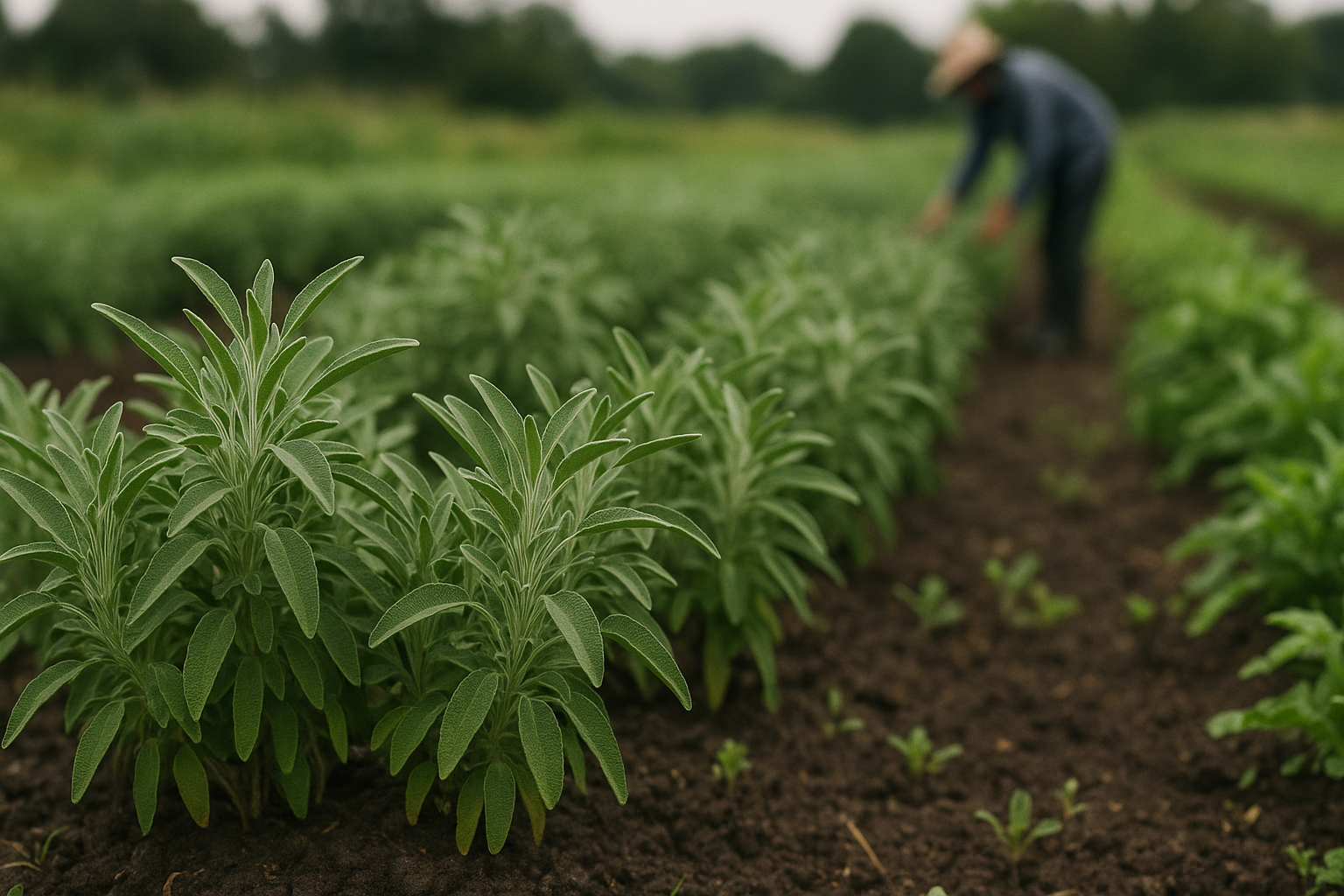
If evidence supports their use, demand for oregano and lemon balm could rise beyond culinary uses to medicinal and personal-care applications. This creates opportunities for growers to adopt sustainable cultivation practices, ensure consistent essential-oil content, and maintain traceability from field to product. Organic and agroecological approaches can help meet quality standards while preserving soil health and biodiversity.
For farmers and processors, the potential shift implies investing in quality control, standardized harvesting times, and partnerships with processors who can translate harvests into reliable, market-ready tablets or other formulations. Building robust supply chains for essential oils and herbal extracts becomes as important as the cultivation itself.
Safety, efficacy and practical takeaways
Herbal products must pass rigorous safety assessments and satisfy regulatory requirements before being adopted in clinical practice. Key considerations include possible side effects, interactions with other medications, and ensuring consistent product quality. Even with promising designs like non-inferiority trials, robust evidence, transparent labeling, and clear guidance are essential for both clinicians and consumers.
For practitioners, patients, and researchers, the exploration of oregano and lemon balm as BV options highlights the potential for alternative therapies that align with growing interest in植物-based health solutions, while reinforcing the need for solid clinical data and responsible product development.
Conclusion: if you work in agriculture, there are tangible opportunities in cultivating oregano and lemon balm for medicinal and wellness markets. Emphasize sustainable farming, quality control, and reliable processing to prepare your operations for possible future demand for herbal therapies. Consider partnerships with researchers and processors to translate field crops into standardized, farm-to-product supply chains.