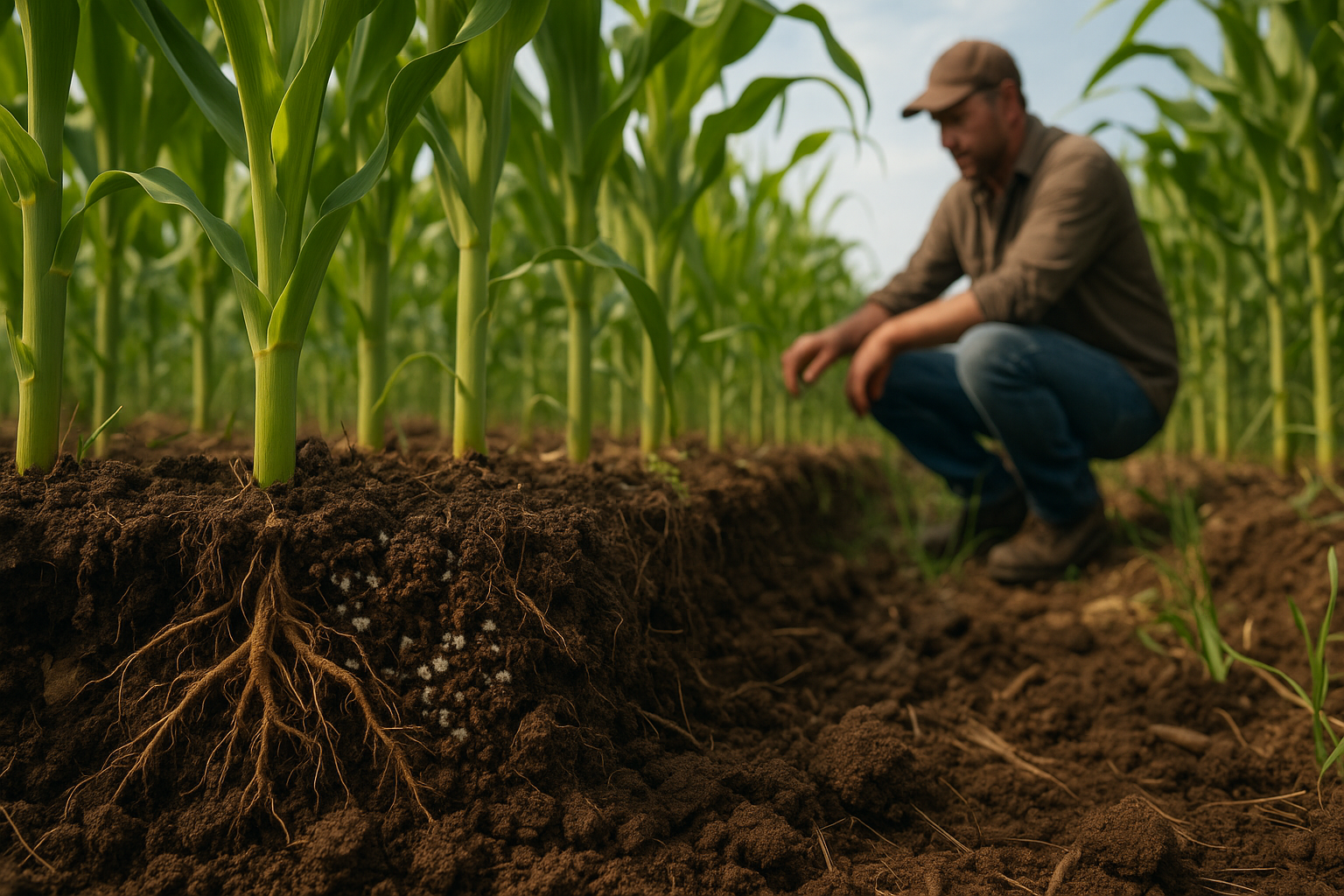
Soil bacteria play a pivotal role in nutrient cycling, soil structure, and resilience against contaminants. Recent work focusing on Pseudomonas strains from soil sheds light on how these microbes can tolerate multiple metals and may help clean up polluted soils while supporting crop health. In this article, we summarize the findings and translate them into practical notes for farmers and agronomy teams.
By examining the phenotypic and functional traits of these bacteria, researchers identify promising candidates for bio-based approaches that pair well with sustainable farming goals. Here’s what this means for soil stewardship and crop productivity.
What the research reveals about soil Pseudomonas
The study highlights that certain Pseudomonas strains can endure exposure to several metals commonly encountered in agricultural soils, including sites affected by legacy contamination or mining byproducts. Beyond survival, these microbes exhibit functions that help modulate metal availability, bind or transform toxins, and create microenvironments favorable to plant roots.
This combination of tolerance and functional activity points to bioremediation potential, where microbial processes contribute to lowering metal risks while sustaining nutrient cycling and soil structure. The work also underscores diverse metabolic capabilities that may support growth-promoting traits for crops.
Practical implications for soil health and farming
For farmers, the takeaway is that specific soil bacteria could become allies in managing contaminated or marginal lands. By buffering metal stress, improving nutrient cycling, and fostering healthy root systems, Pseudomonas-based solutions may help crops access essential elements while limiting metal uptake in some contexts.
Adoption in practice would integrate with soil testing, site-specific management, and careful product selection. While lab results are promising, field trials and regulatory considerations shape the path to real-world use. Collaboration with extension services and microbiology experts can help tailor strategies to local soils and crops.
From lab to field: steps for implementation
Choosing microbial products
Look for products that contain well-characterized Pseudomonas strains with documented performance in soils similar to yours. Check for compatibility with your crop system, soil pH, and organic matter content. A product with evidence of metal-tolerance traits and safe application records is preferred.
Safe and effective deployment
Apply according to label instructions, consider integrating with organic matter amendments, and monitor plant responses and soil indicators over time. Start with small plots or trials to build confidence before scaling up. Engage agronomists to interpret results and adjust management as needed.
In short, the phenotypic and functional portrait of soil Pseudomonas strains adds a promising dimension to sustainable agriculture, especially in soils facing metal stress. If you work in farming or land management, exploring microbiome-based solutions could be a smart complement to soil tests, crop rotation, and nutrient management. Reach out to local extension services or crop scientists to learn how microbial partners might fit your fields.