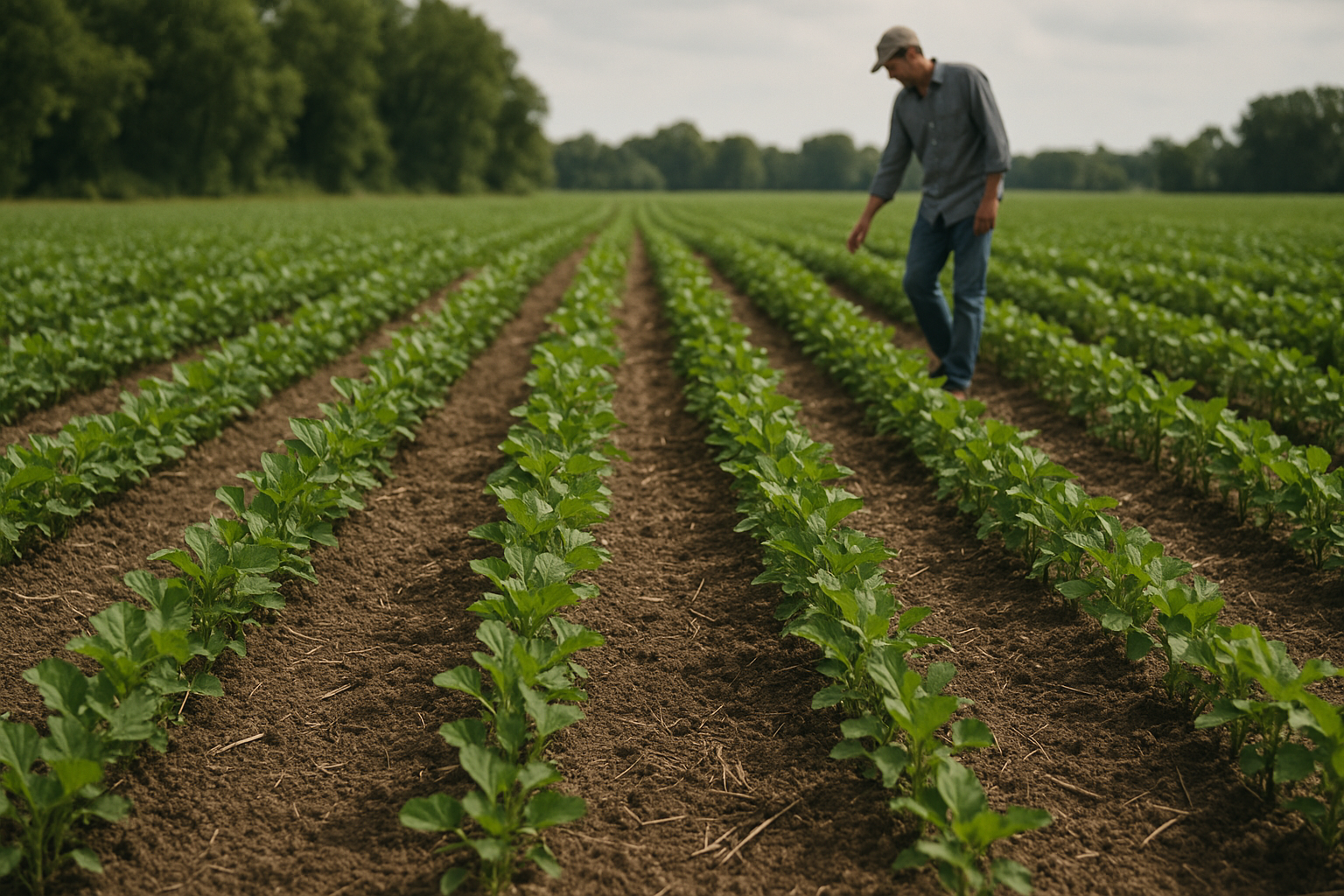
Antibiotic resistance is not only a clinical concern; soils and crops form a vast interface where genes can move between microbes and plants. The idea of a soil-plant continuum helps explain how historical land-use and management leave a lasting imprint on microbial life and gene flow.
In this discussion, we translate emerging insights about how soil legacy can shape the spread of antibiotic resistance genes (ARGs) along the soil-plant path into practical food-system considerations for farmers and agronomists aiming to protect crop health and soil biodiversity.
Understanding the soil-plant continuum and the legacy effect
The term soil legacy refers to enduring microbial and chemical signatures created by past practices, such as manure inputs, crop rotations, and chemical treatments. These legacies influence which microbes dominate the soil community and how easily they exchange genetic material.
Within such legacies, antibiotic resistance genes can persist in resident microbes and travel on mobile genetic elements like plasmids and transposons. When conditions favor gene transfer—high microbial activity, dense root zones, or disturbances—ARGs can spread through the community and reach plant-associated microbes.
Plants interact with this microbial reservoir in the rhizosphere, the zone around roots where exudates feed beneficial or opportunistic microbes. Through these interactions, resistance genes can hitch a ride toward the root surface, the endosphere, or leaf surfaces, contributing to the soil-plant continuum of ARGs.
Paths for ARG movement from soil to crops
There are several routes by which resistance genes can move from soil microbes to plant-associated communities. Root colonizers, seed- and pollen-associated microbes, and surface contaminants can carry ARGs as crops grow. Movement is often mediated by horizontal gene transfer among bacteria in the rhizosphere and endophytic communities.
External inputs such as manure-derived organic matter, compost, and irrigation water can introduce or mobilize ARG-bearing microbes.Moreover, practices that alter soil structure and moisture—tillage, irrigation regimes, and soil organic matter levels—can influence how readily ARGs spread through microbial networks linked to the plant.
Even though direct transfer of whole genes into plant cells is unlikely, the plant-microbe interface acts as an amplifier: ARGs resident in soil microbes can become part of the plant-associated microbiome, potentially affecting crop surfaces and edible tissues if contamination occurs.
Implications for farmers and agricultural management
These implications emphasize the need for management that protects soil microbiota and minimizes ARG dissemination. By reducing unnecessary antimicrobial inputs and improving soil health, farms can lower the opportunities for gene exchange to spread toward the crops.
Key practices include sourcing manure responsibly, thoroughly composting organic inputs, maintaining diverse soil biota with cover crops, and monitoring soil health to adapt management to local conditions. These steps help sustain yields while supporting a safer soil-plant interface.
Soil management strategies to reduce ARG spread
Well-managed compost, treated manure, and practices that foster a diverse microbial community can reduce ARG mobilization. Pairing these with prudent water use and minimal disturbance helps limit the pathways that enable gene exchange in the rhizosphere.
Regular soil testing and collaboration with extension services can tailor actions to your fields, ensuring that strategies fit local soils, climates, and cropping systems.
For practitioners in the field, prioritizing soil health, careful management of organic inputs, and prudent water use can help curb the spread of antibiotic resistance genes while sustaining productive crops. Consider partnering with local extension services to tailor strategies for your soils and crops.