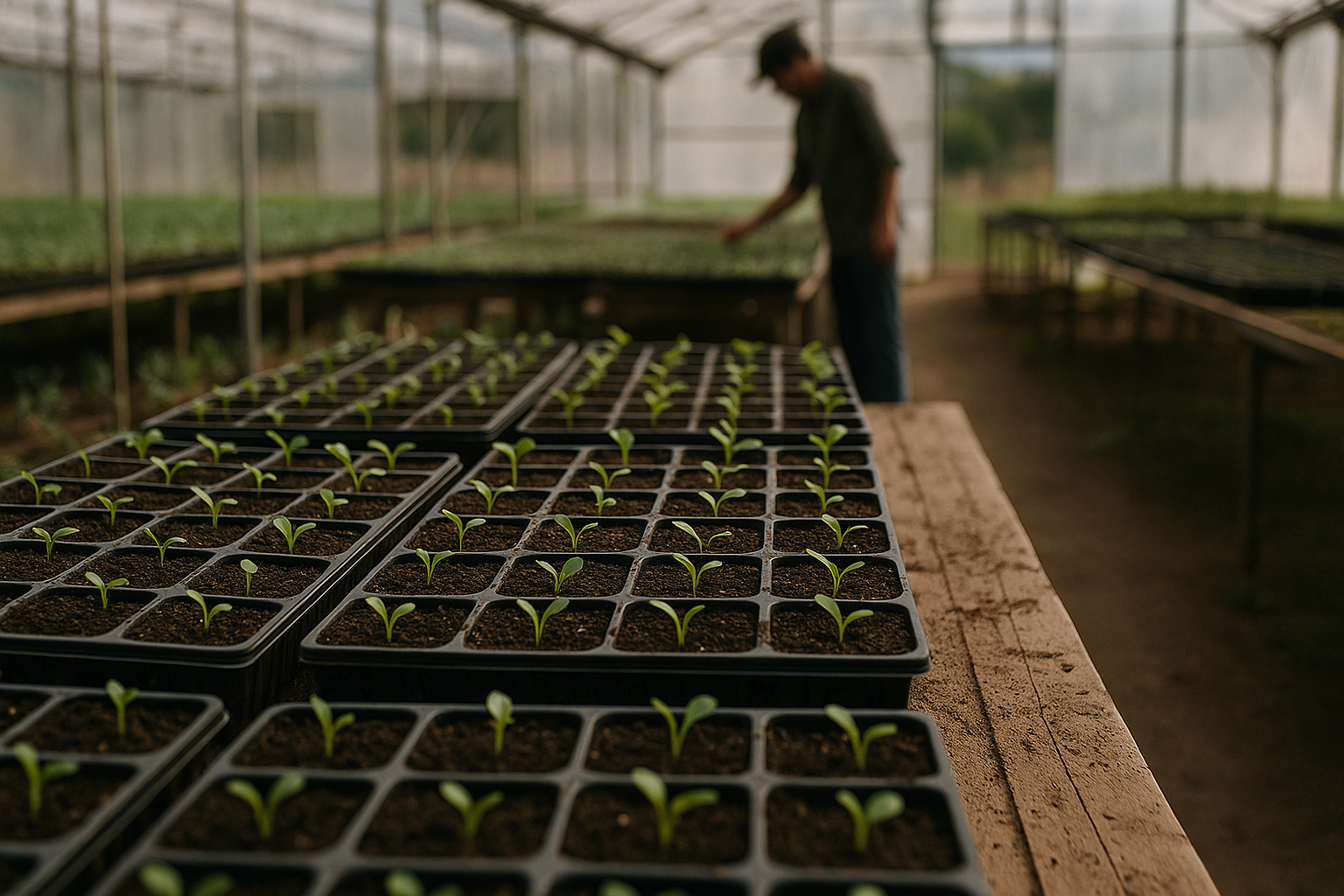
Seed sovereignty is about who decides how seeds are saved, shared, and improved. In a highly connected world, farmers’ seed choices shape local food security as much as global trade does. Seeds move across borders, but the knowledge to nurture them travels with communities. This article explains how globalization influences seed systems, the risks to biodiversity and farmer livelihoods, and practical policy routes to strengthen seed sovereignty for resilient crops and diverse farming landscapes.
The discussion translates complex trade and legal dynamics into accessible guidance for growers, cooperatives, and policymakers. By focusing on rights, networks, and governance, we can better understand how to keep seeds diverse, affordable, and adaptable in a changing world.
What seed sovereignty means in a globalised system
Seed sovereignty centers on farmers’ rights to save, exchange, and develop seeds without undue restrictions. It supports diverse, locally adapted varieties and enables communities to respond to climate shifts and pest pressures. In practice, it treats seed as a common resource and a cornerstone of food security, not just a market commodity.
Global movements and markets can bring better seed technology and wider access, but they also risk crowding out local varieties and traditional knowledge. When seeds are owned by a few firms or tightly controlled by patents, farmers may face higher costs or legal hurdles to save and share seeds, reducing choices and resilience at the farm level.
The tug-of-war between global markets and farmer rights
A global seed system can speed up improved traits and quality, but it can also erode farmer autonomy if rules restrict saving, exchanging, or adapting seeds to local conditions. The balance lies in strengthening public, community, and farmer-led seed networks while still benefiting from innovation.
Trade rules, certifications, and intellectual property protections can unintentionally constrain traditional seed practices. Safeguarding farmer rights—such as saving and replanting seeds, exchanging seed stock, and engaging in community breeding—helps maintain genetic diversity and resilience against climate shocks.
IP, patents, and farmer rights
Plant variety protection and patents can create competitive markets but may also lock seeds behind licenses, raise costs, and limit reuse. Open, transparent breeding and balanced IP frameworks that respect farmers’ rights can promote innovation without squeezing out smallholders.
Public seed banks, community seed networks, and participatory breeding are practical measures to counterbalance market power. They help preserve locally important varieties and ensure seed access even when commercial channels face disruptions.
Policy paths to strengthen seed sovereignty
Policy can tilt the scales toward more equitable seed systems. This includes recognizing farmers’ rights in law, supporting seed saving and exchange, funding public seed banks, and ensuring transparent seed markets. Strengthening biodiversity-friendly incentives and agroecological approaches also protects resilience.
Education, extension services, and farmer-led research can spread best practices for seed stewardship. Coordinated action at national and international levels should align trade rules with local needs, avoiding one-size-fits-all solutions that undermine diverse farming systems.
For practitioners in agriculture, investing in local seed networks, saving and exchanging seeds, and supporting participatory breeding can boost resilience and food security. If you work with crops, consider joining a seed cooperative or a community seed bank and help share knowledge that keeps seeds accessible for generations to come.