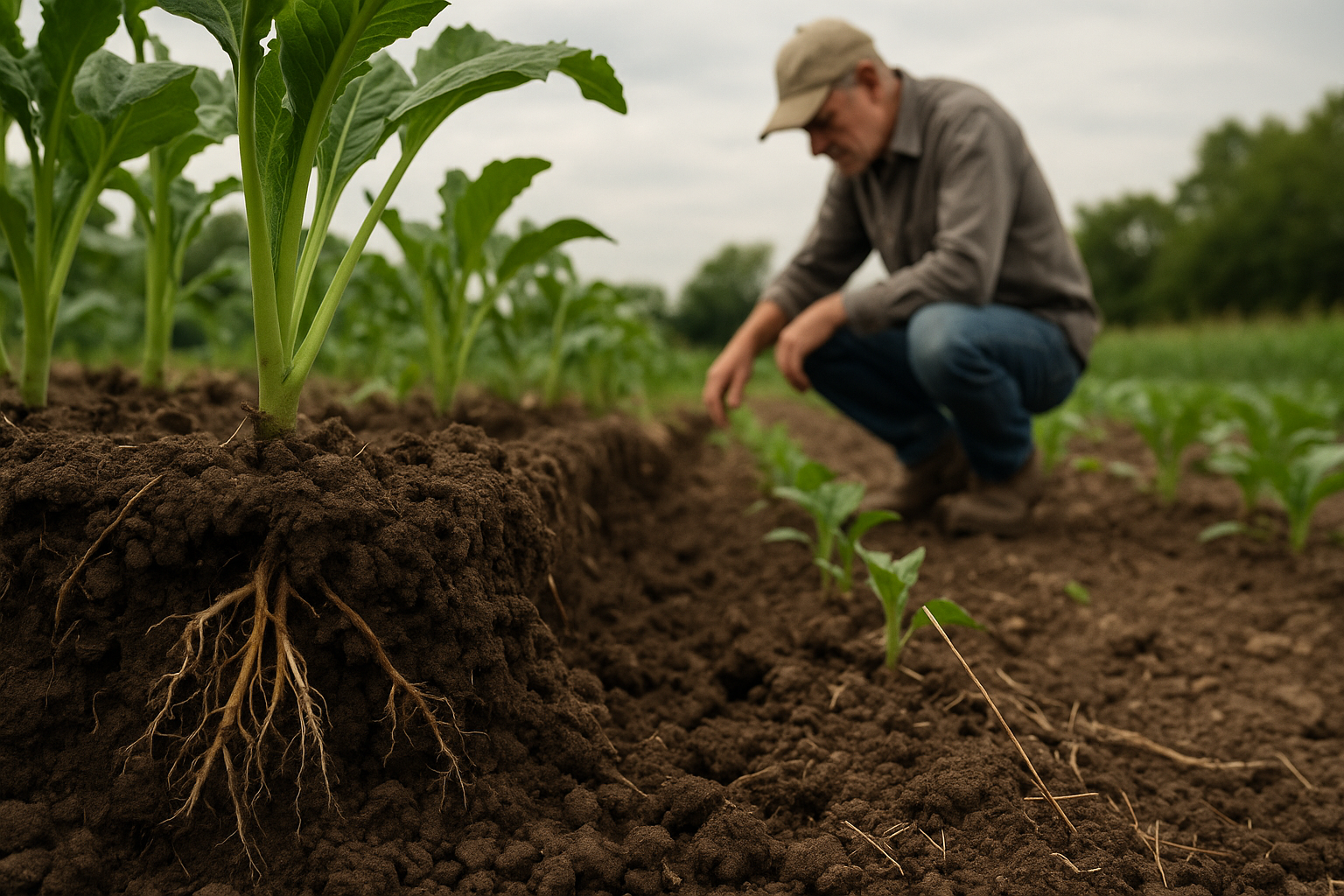
Seed sovereignty is more than a farmer’s right to save seeds; it’s a framework for safeguarding crop diversity, local knowledge, and resilient food systems.
When communities control seed saving, exchange, and improvement, they tailor varieties to local soils, climates, and cultural tastes, reducing dependence on external suppliers and strengthening food security.
Redefining seed sovereignty for today’s farms
In practice, seed sovereignty means farmers have the authority to save seeds from their own harvest, select traits that fit their environment, and exchange varieties with trusted neighbors.
It also encompasses biodiversity stewardship, where diverse seeds contribute to soil health, pest resilience, and climate adaptation. The shift toward open-pollinated varieties and transparent seed markets supports innovation driven by farmers themselves.
Policy, governance, and community networks
Policy frameworks shape who can save or sell seeds, and how varieties are protected or shared. Strengthening seed laws to recognize farmer rights, community seed banks, and collaborative breeding can loosen monopolies and widen access.
Community networks bridge knowledge gaps, from seed exchanges to local test plots. By linking breeders, farmers, and educators, seeds become a shared resource that travels across fields instead of being locked to a few corporations.
Local seed banks and participatory breeding
Local seed banks store open-pollinated varieties and heirlooms, supporting seed circulation across seasons.
Participatory breeding invites farmers to shape traits that matter locally, accelerating adaptation to drought, heat, or diseases.
Practical steps for growers
If you work in farming, start by mapping local seed resources: who saves seeds, what varieties are available, and where to exchange.
Practice seed saving with proper drying, storage, and labeling to maintain vitality. Prefer open-pollinated varieties when possible to keep options open for future generations.
Join or form a community seed group, document performance on your farm, and share results to refine varieties collaboratively.
By reshaping seed sovereignty, farmers become stewards of diversity and resilience. If you are in agriculture, consider connecting with local seed networks, supporting fair seed policies, and starting a neighborhood seed swap.