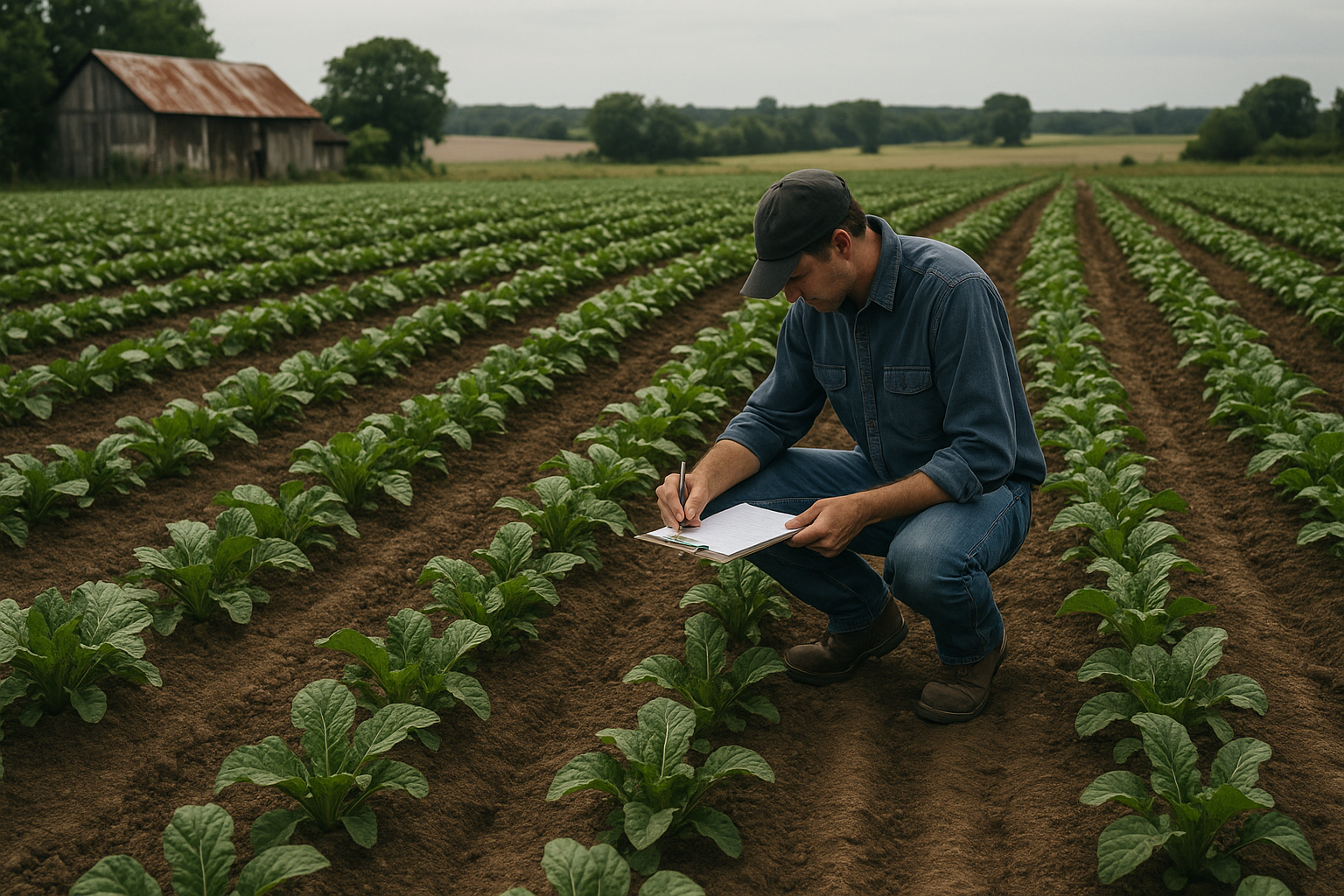
In agricultural research, peer review acts as a quality gate, ensuring that methods, data, and conclusions are solid before they reach farmers, advisors, and policymakers.
The 2020 acknowledgment note highlights how dedicated reviewers provide essential critique, validate findings, and uphold ethical standards across the field. This article distills the key ideas from that publication and explains why reviewer recognition matters for robust farming science.
Understanding the role of peer review in agricultural research
Peer review involves independent experts who assess a manuscript’s design, data analysis, and interpretation. Their feedback helps authors strengthen experimental setups, clarify results, and align conclusions with real world farming needs.
For agriculture, where field conditions and economic realities matter, rigorous review also helps ensure that recommendations are credible, reproducible, and safe to apply at scale. The 2020 note emphasizes that reviewers guide the community toward higher standards without delaying beneficial innovations.
By catching errors and prompting additional analyses, the process supports trust among researchers, practitioners, and decision-makers alike.
Recognition and its impact on quality and ongoing engagement
Public acknowledgments of reviewers illuminate the often invisible labor that sustains scientific publishing. When a journal formally thanks reviewers, it signals respect for their time and expertise, which in turn motivates continued participation.
Fair and transparent review practices reinforce reader confidence and help maintain the relevance of published work to agricultural practice and policy.
Becoming a reviewer: how the process works
Experts are invited by editors or sign up through editorial platforms to review manuscripts within their domain. Selection aims to match expertise with the topic, ensuring informed, balanced assessments.
Review duties typically include evaluating study design, data availability, and interpretation, and offering constructive suggestions that can improve clarity and usefulness for the farming community.
Contributors gain professional visibility and play a pivotal role in shaping evidence that guides crop management, technology adoption, and agricultural policy.
From feedback to practice: impact on farming and policy
High-quality reviews help ensure that new methods, tools, and recommendations are backed by solid data and transparent methods. This reduces the risk of incomplete or biased guidance reaching practitioners.
As a result, growers, extension services, and policymakers can rely on science that translates into actionable, safe, and scalable improvements in productivity and sustainability.
Best practices for reviewers and researchers
Approach reviews with timeliness, specificity, and courtesy. Focus feedback on study design, data interpretation, and clarity, rather than personal judgments, and aim to provide actionable suggestions.
Where possible, share data and methods to support reproducibility, and document the rationale behind editorial decisions to help authors learn and improve future work.
When you work in agriculture, consider joining the reviewer pool to help elevate research that supports productive, sustainable farming. Your expertise can make a real difference.
If you work in agriculture, consider getting involved in the review process to help advance credible research that supports farmers and resilient food systems.