From Animal Histories to Organic Farming: Practical Insights for Modern Agriculture
Across centuries, farms relied on animals for plowing, hauling, and turning the gears of food production. Livestock shaped crop choices, grazing patterns, and market flows, making the animal dimension inseparable from farm history.
Scholars now treat animals as actors with needs, not mere resources, a shift that sits at the heart of environmental history. By studying how livestock interact with soils, water, and native biodiversity, we can understand the long-term footprints of farming.
Today, organic farming draws on these ideas, proposing systems where animals, crops, and soil life function as a single, resilient web.
A brief look at the animal dimension in farming history
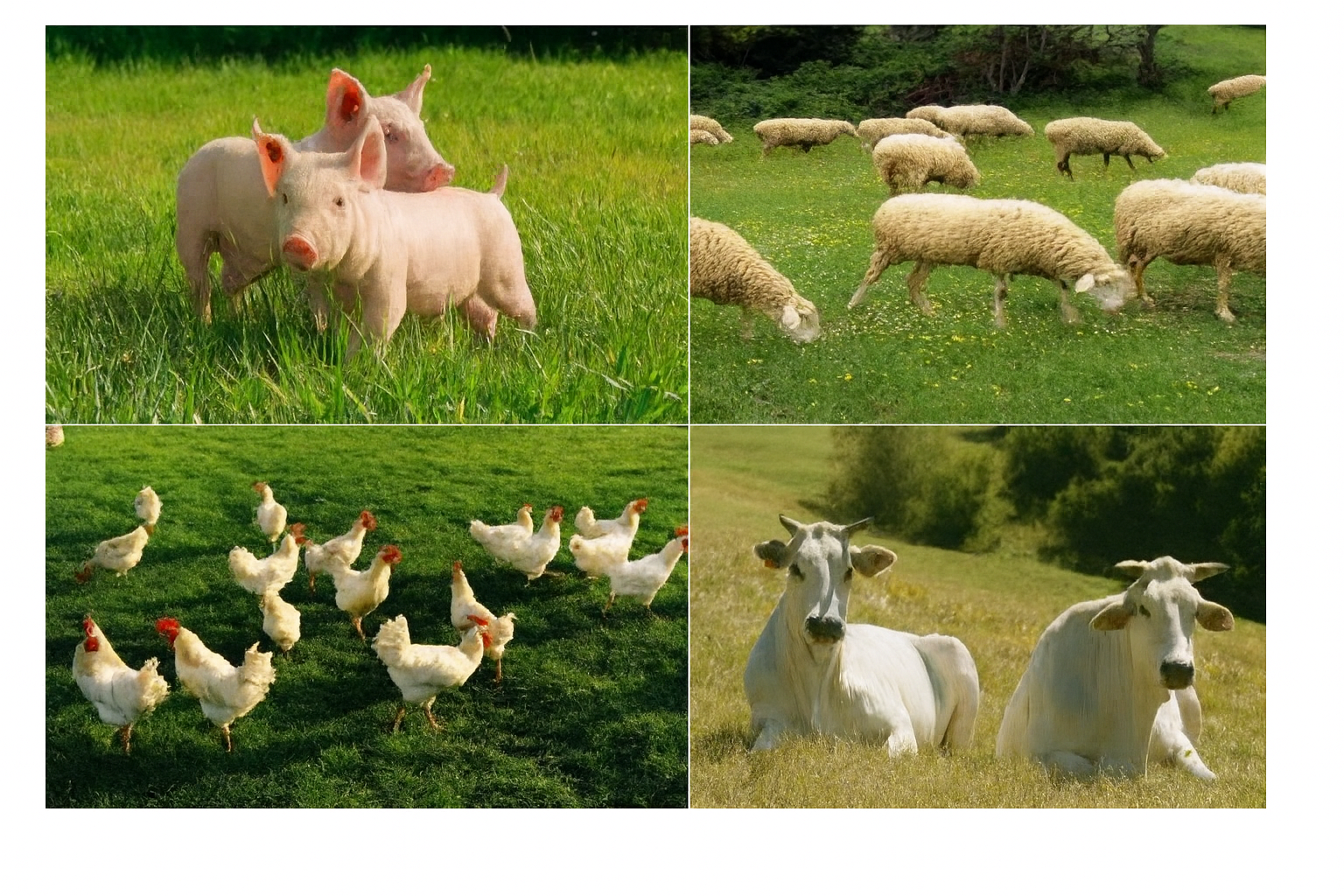
Domestic animals have long provided labor and nutrition, shaping technologies from plows to feed processes. The relationship between humans and animals also reflects how land use and ecosystems were transformed through trade and colonization, leaving lasting marks on landscapes and farming methods. Different species—cattle, pigs, horses, sheep, and poultry—each left distinct influences on breeding, housing, and disease management.
Designing sustainable farming with animals
In contemporary practice, animals can help close nutrient loops: grazing on pasture, returning manure to the soil, and assisting in weed control. Diversified farming systems tend to reduce risk while supporting biodiversity. The goal is to align welfare with productivity, ensuring humane care and healthy growth while protecting water quality and soil structure.
Organic farming principles and livestock
Core organic concepts center on soil vitality, ecological balance, and the use of natural inputs. For livestock, this means access to appropriate outdoor space, nutrition without synthetic additives, and preventive health care. Practices such as pasture-based feeding, rotational grazing, and integrated pest management support welfare and farm resilience.
Practical takeaways for today
Start with manageable steps: select breeds suited to local climate and forage, implement controlled grazing, and maintain simple records of pasture performance, feed quality, and animal health. These moves echo historic lessons: when animals are integrated with crops and soil life, farms become more resilient and productive over time.
Conclusion
Embrace the link between animal history and today’s farming. Start with a small, integrated change this season, monitor outcomes, and connect with other growers to improve practice together.